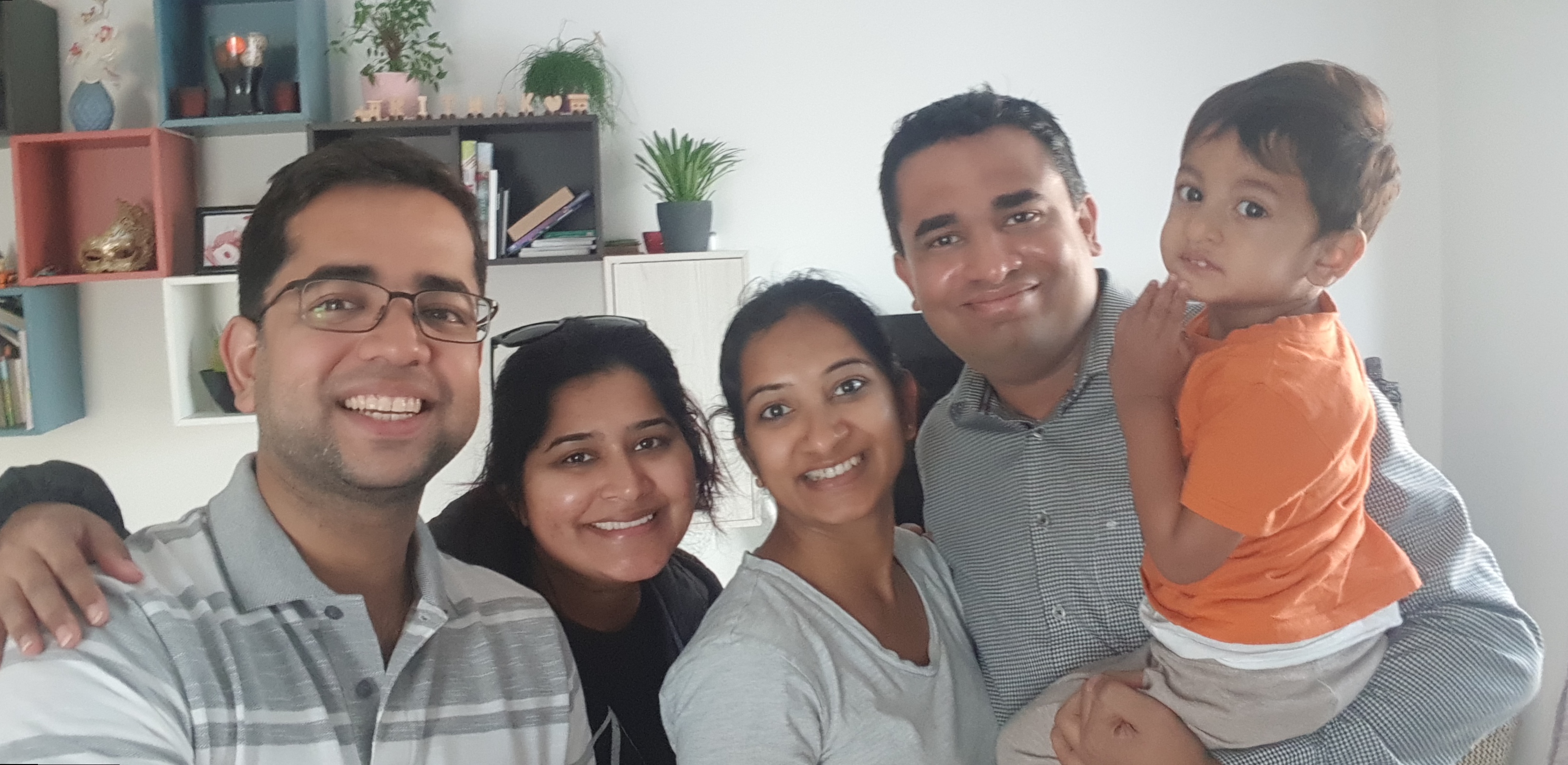
Frankfurt felt like home, whether it was the warm hospitality of my childhood friend, Manaswini, her husband and their adorable child or just the entire vibe of that city, I didn’t feel out of place even for a minute.
We took the tram from Frankfurt Central to Manaswini’s place and were invited to a mouth-watering, home-cooked South Indian meal. After a longish catch-up session, we decided to get ready and go around town a little, we barely had an evening, but we made it count.
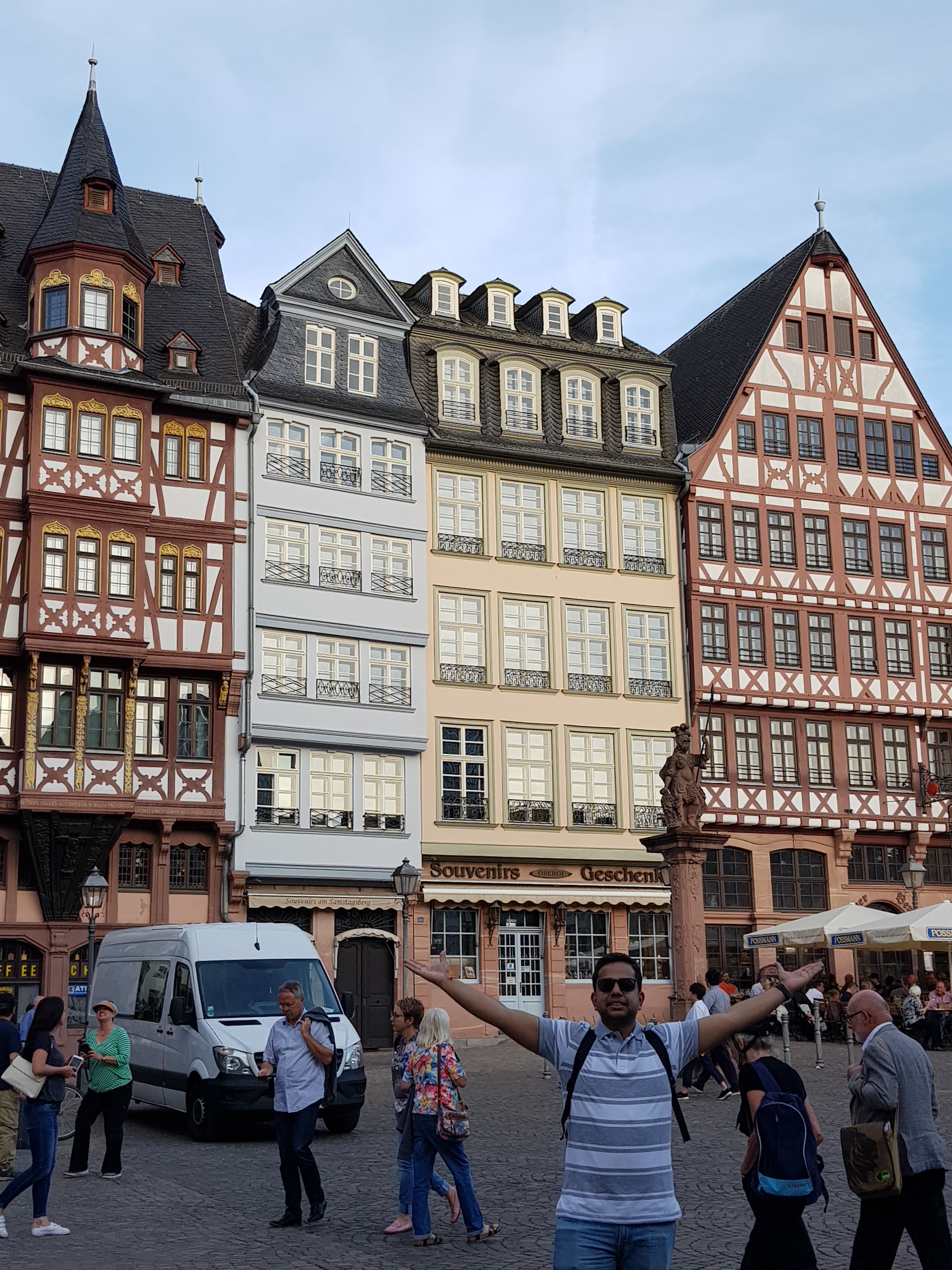
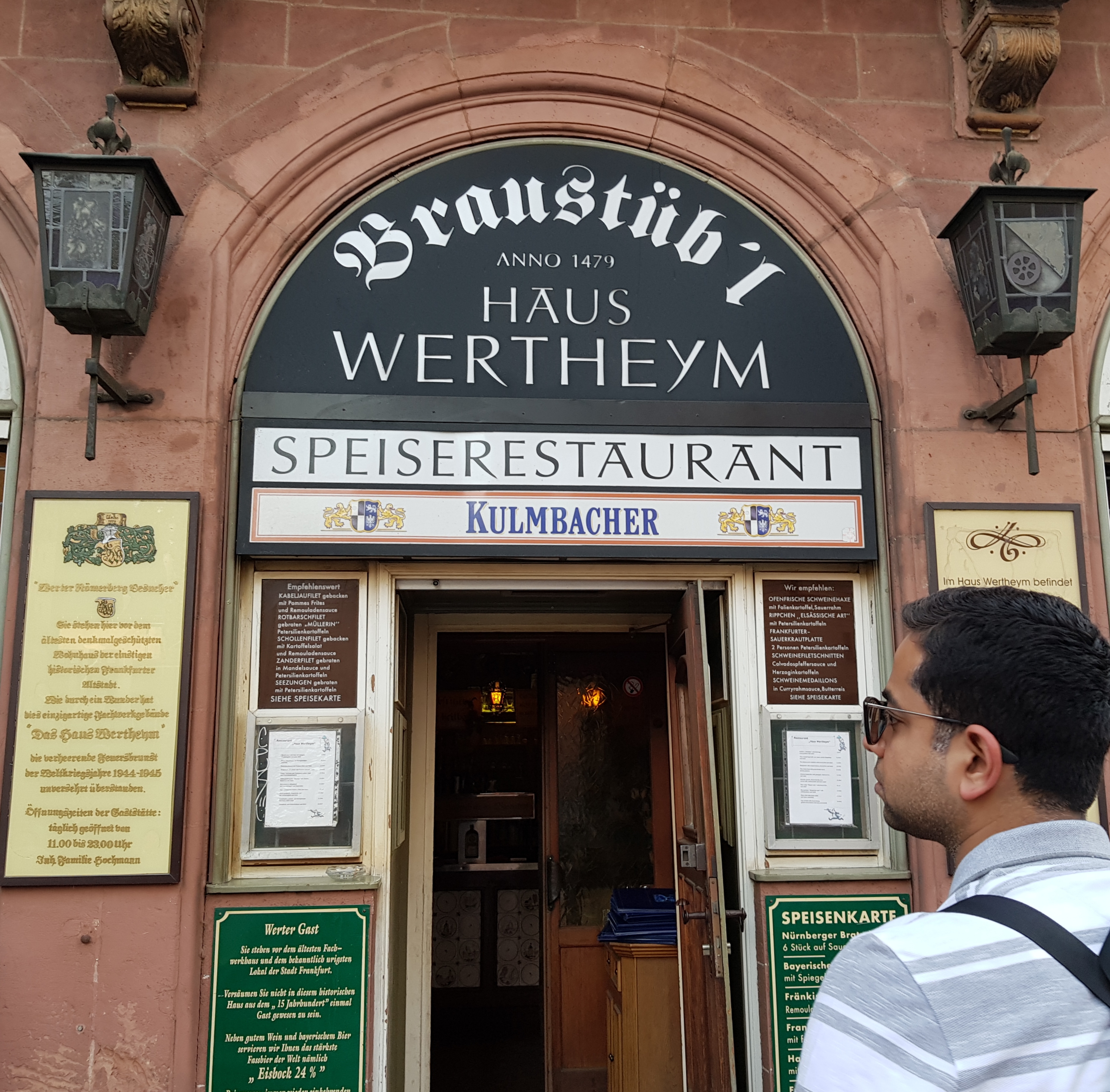
We started our evening at Römerberg. This historic square is situated in the heart of the old town and had to be completely reconstructed after the bombings of World War II. As iconic as the gabled houses that frame the Römerberg, so is the Fountain of Justice (Gerechtigkeitsbrunnen) built in 1612.
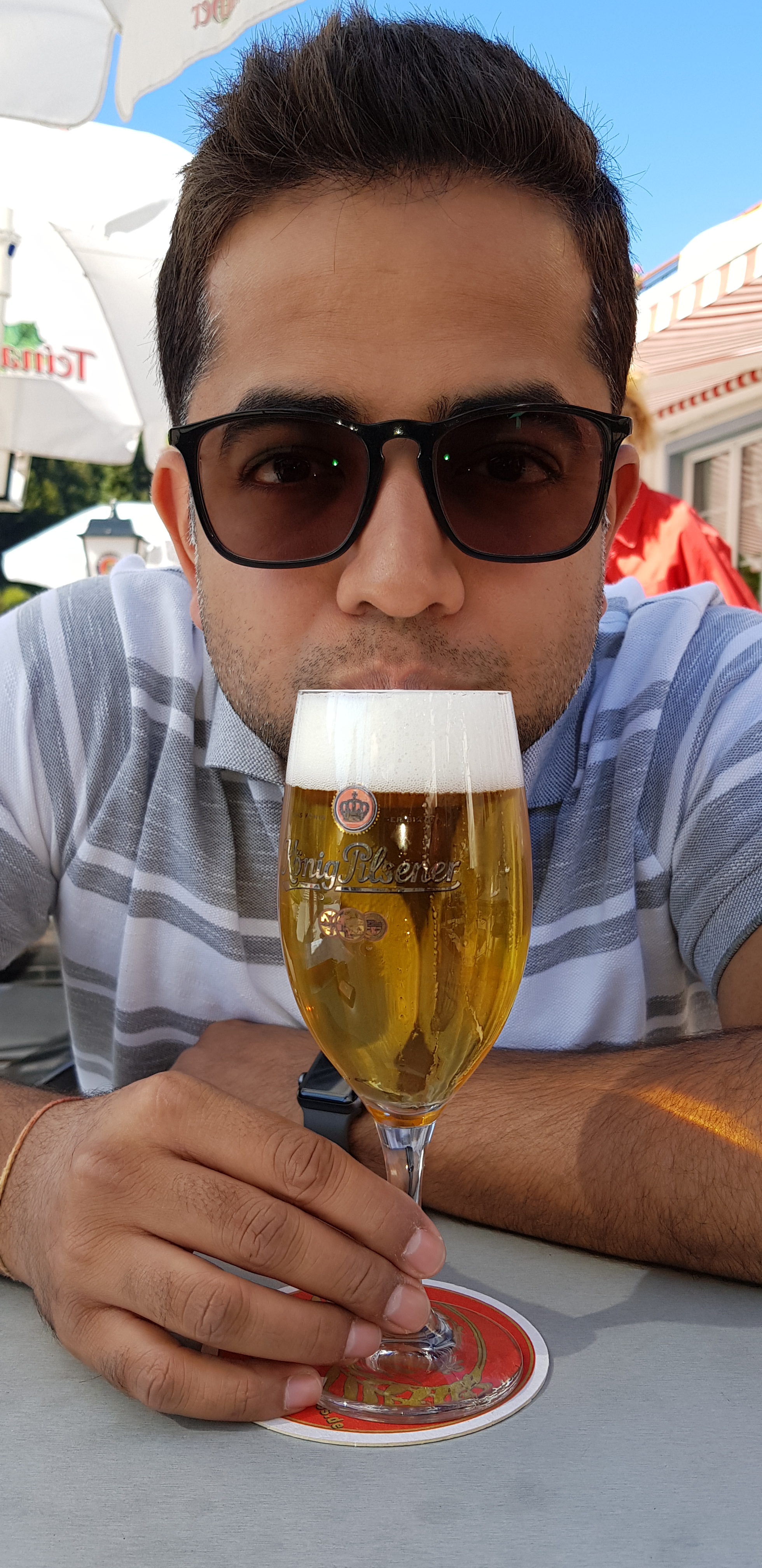
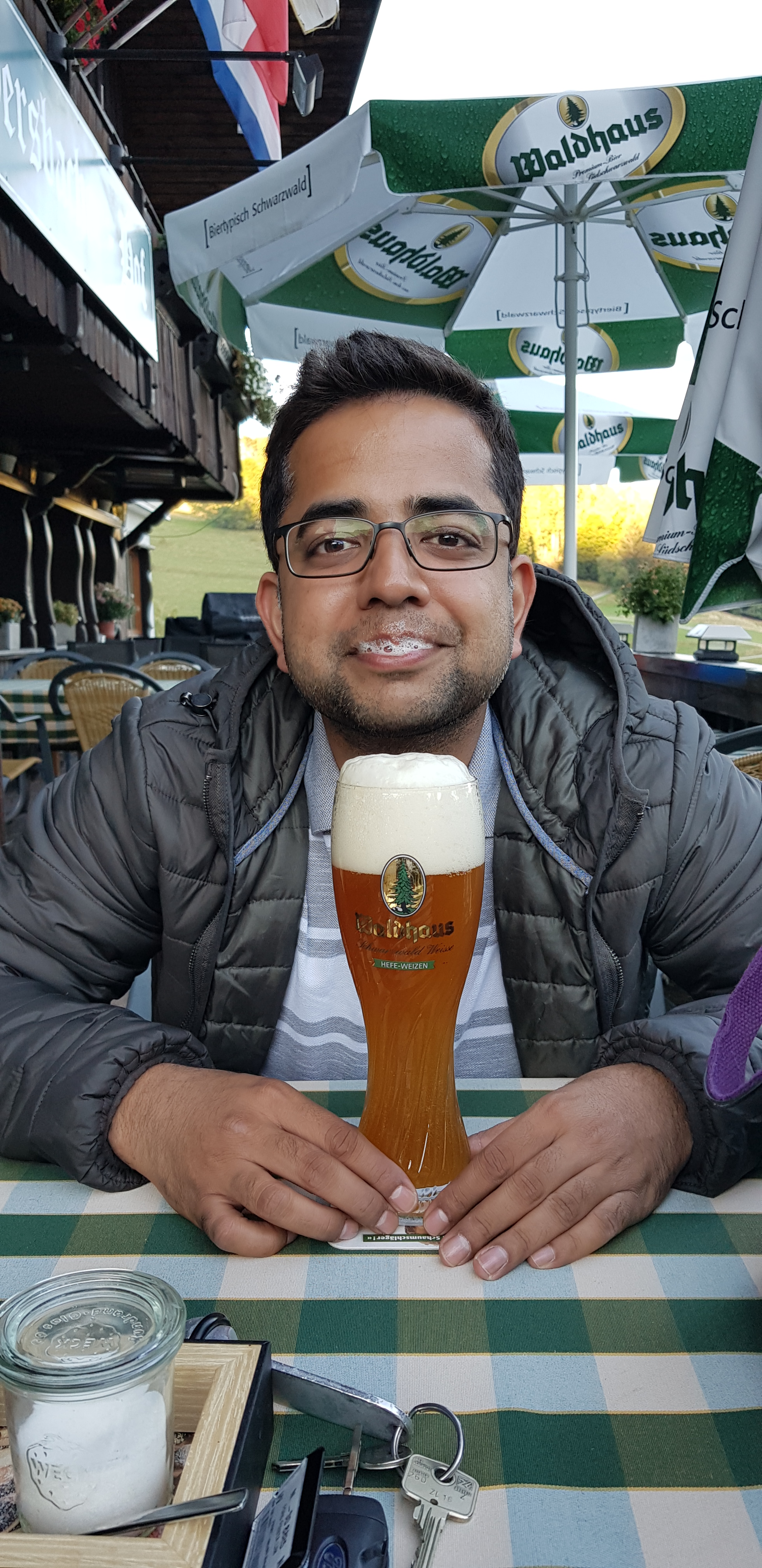
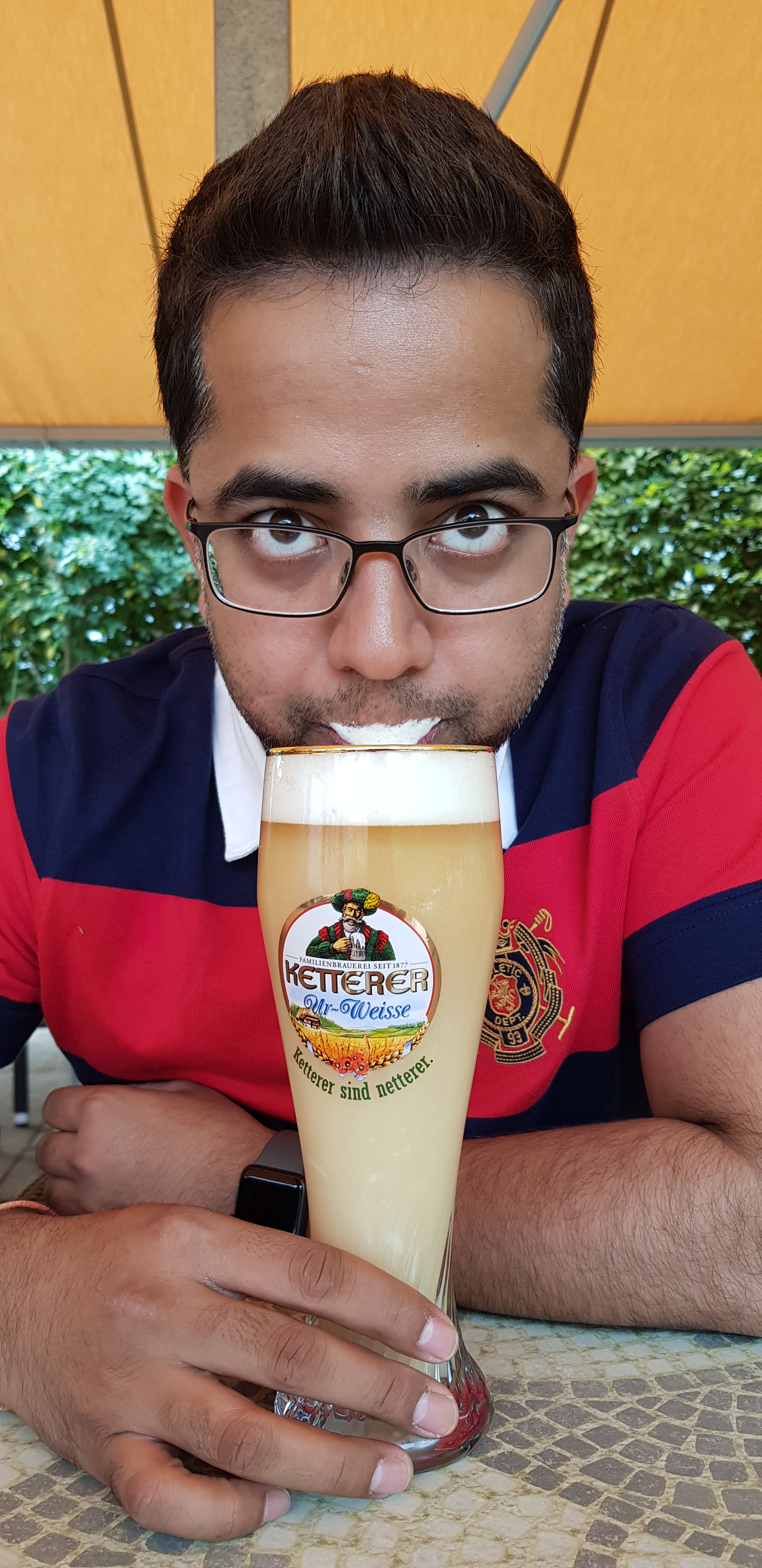
We came across a German Flea Market right around the corner and gobbled up some delicious flamkkuchen (probably the only vegetarian dish around there). Here’s where it began, #BeersOfGermany. Venky was very sure that he would try a #LocalBeer in every German city/town/village we visited, and he did.
Humble request #1 by the husband:
When you’re in Germany, please, oh please do try the local beers. You will come across some delightful ones like the Ketterer Banana-Wheat Beer or the King Ludwig Dark Beer, and you will crave for more!
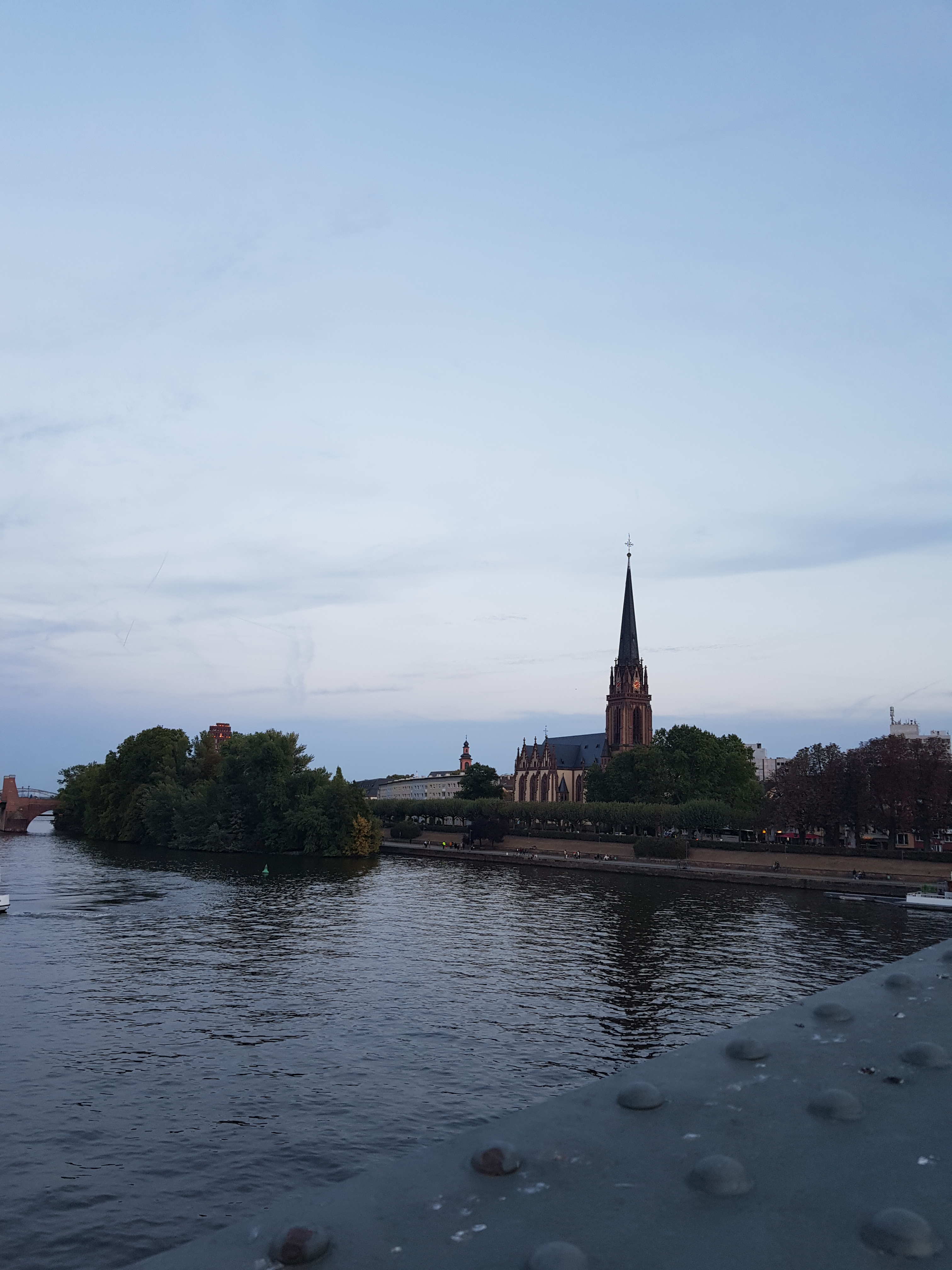
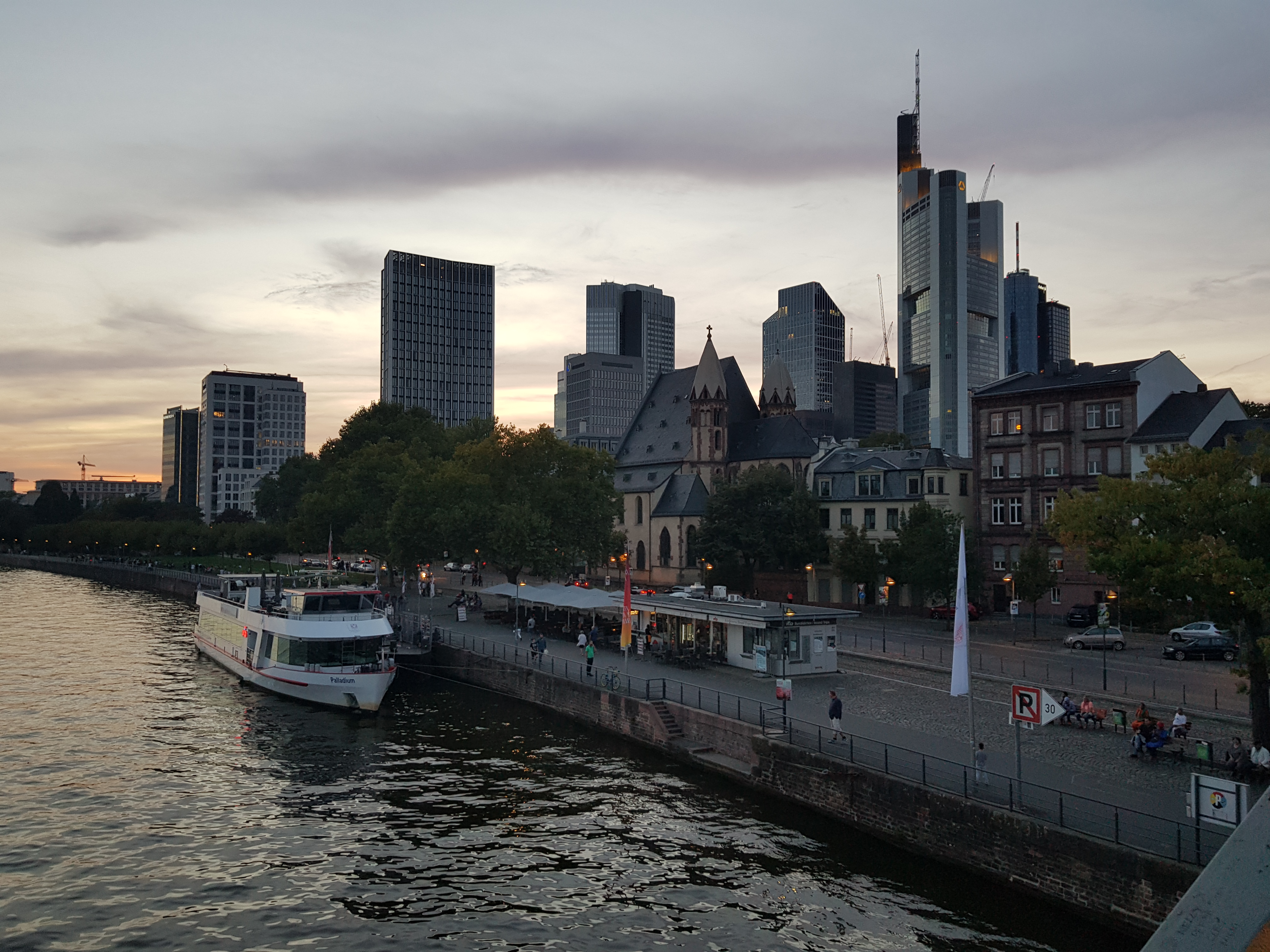
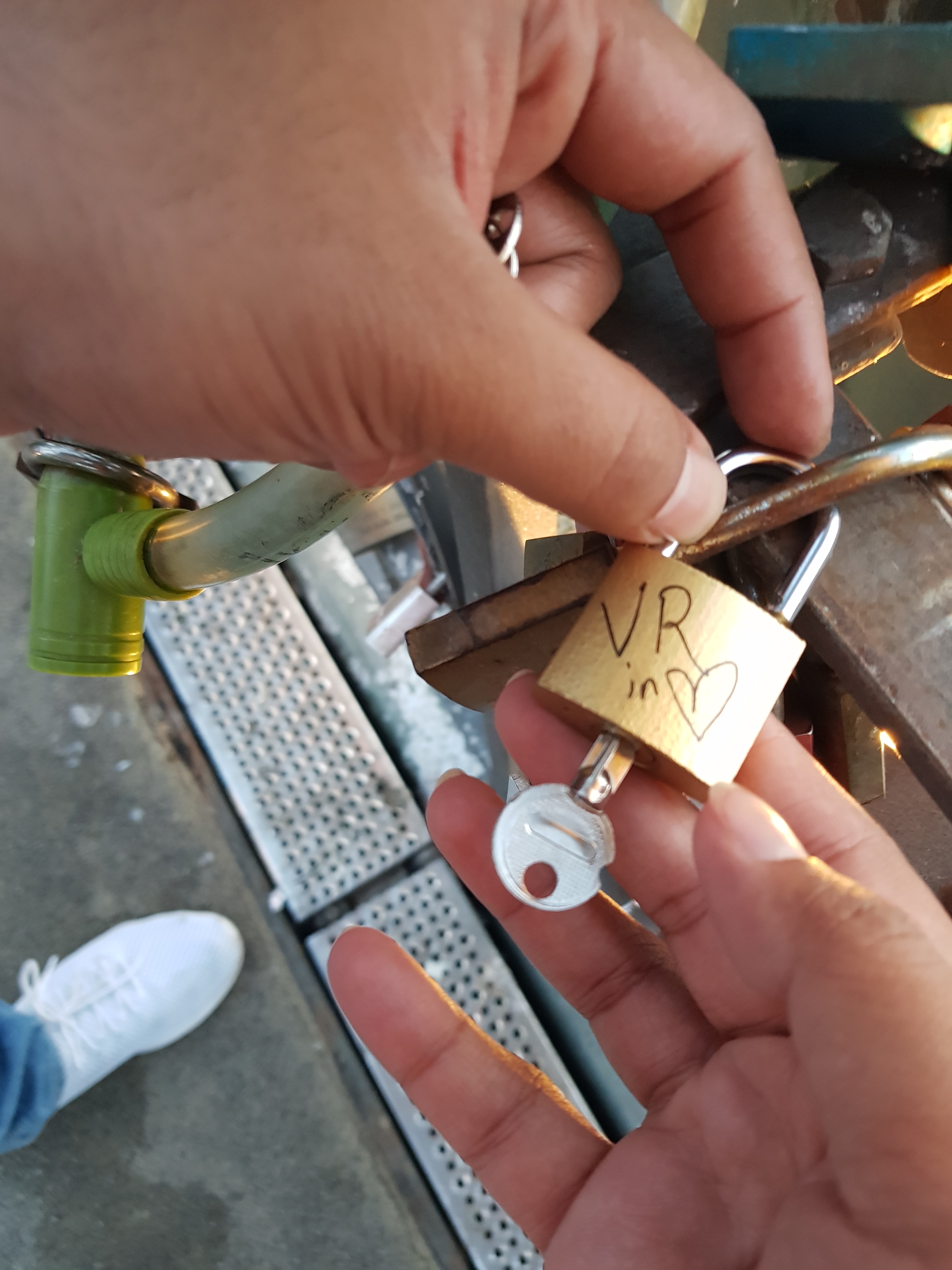
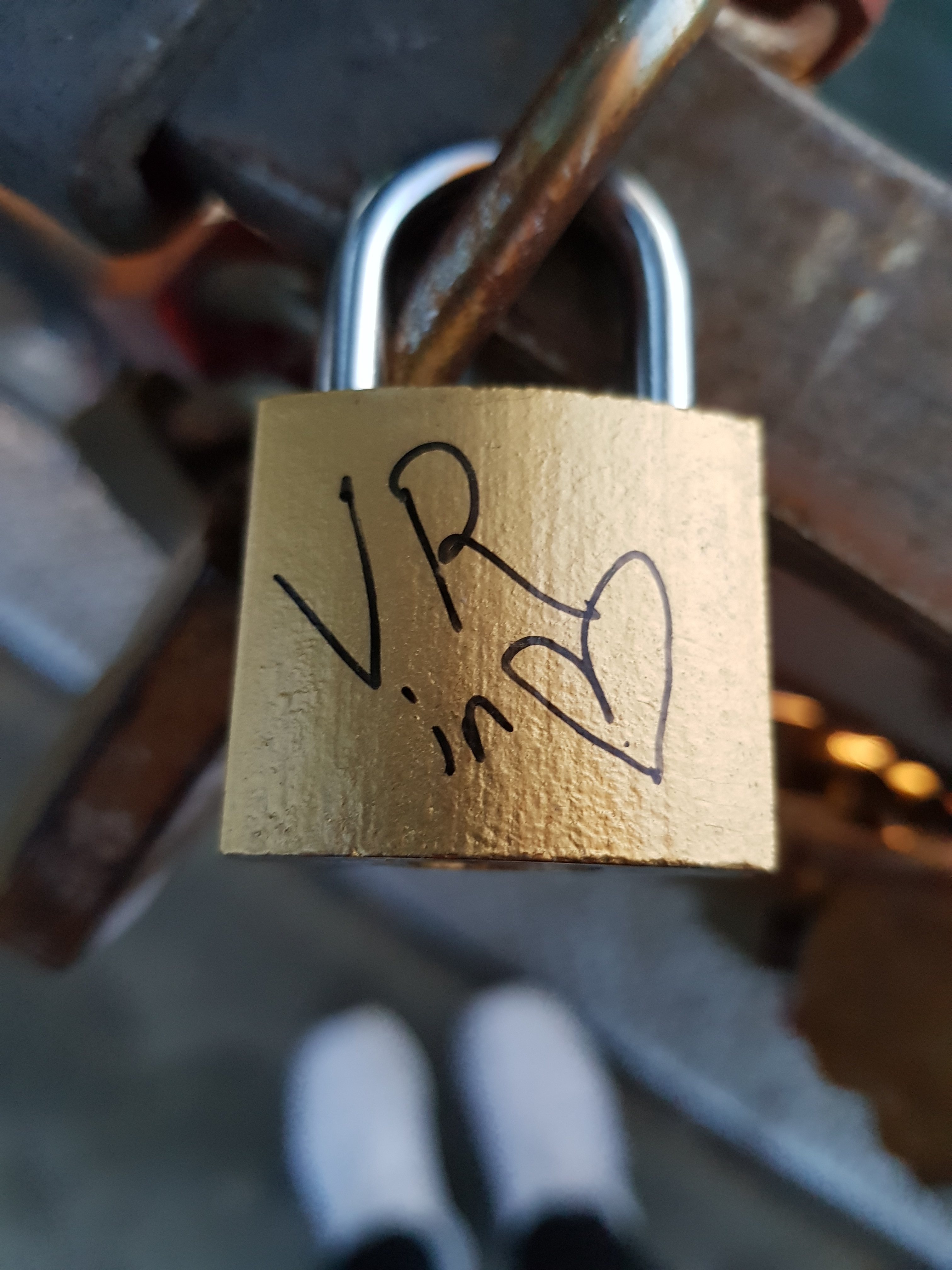
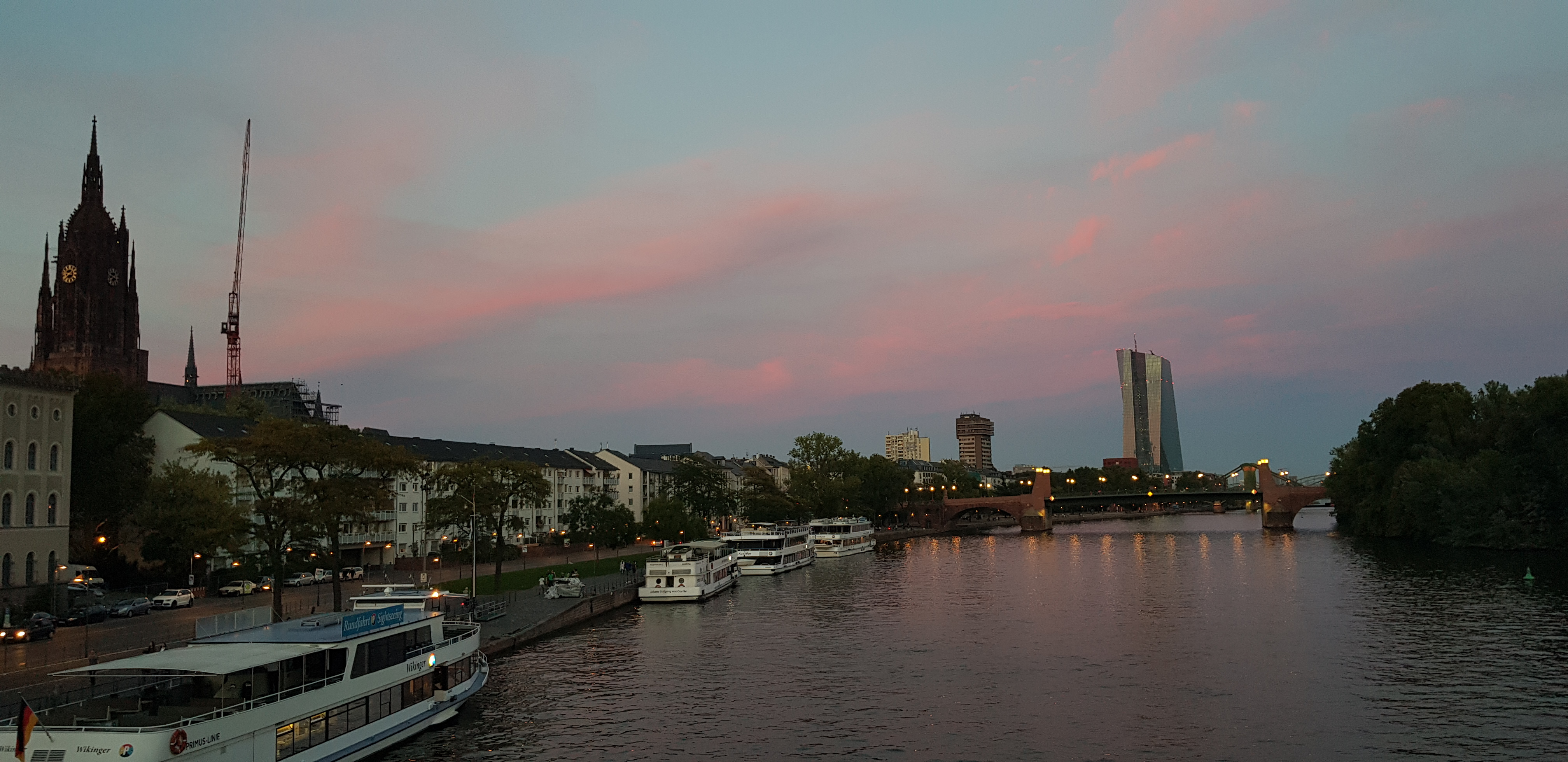
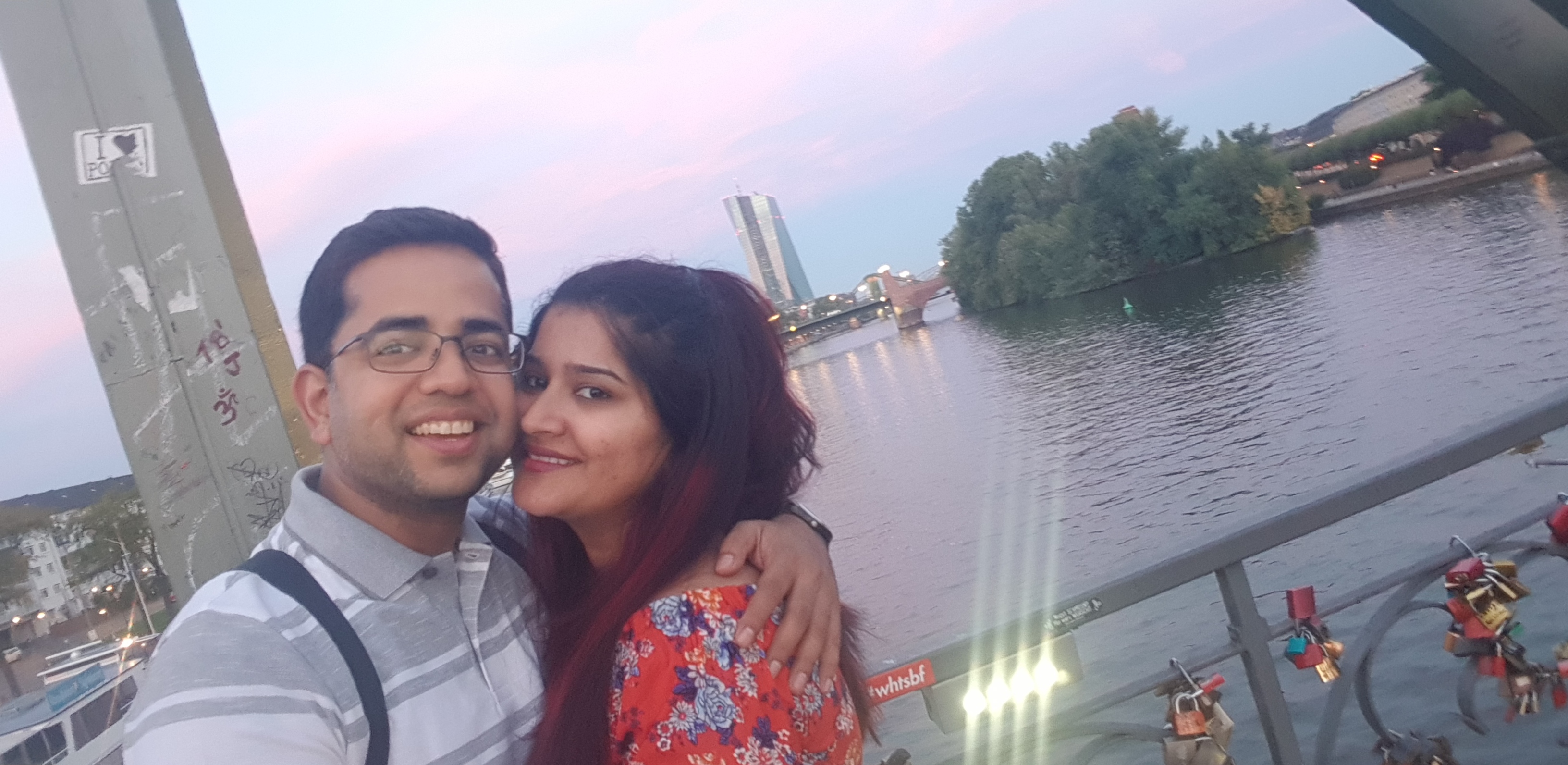
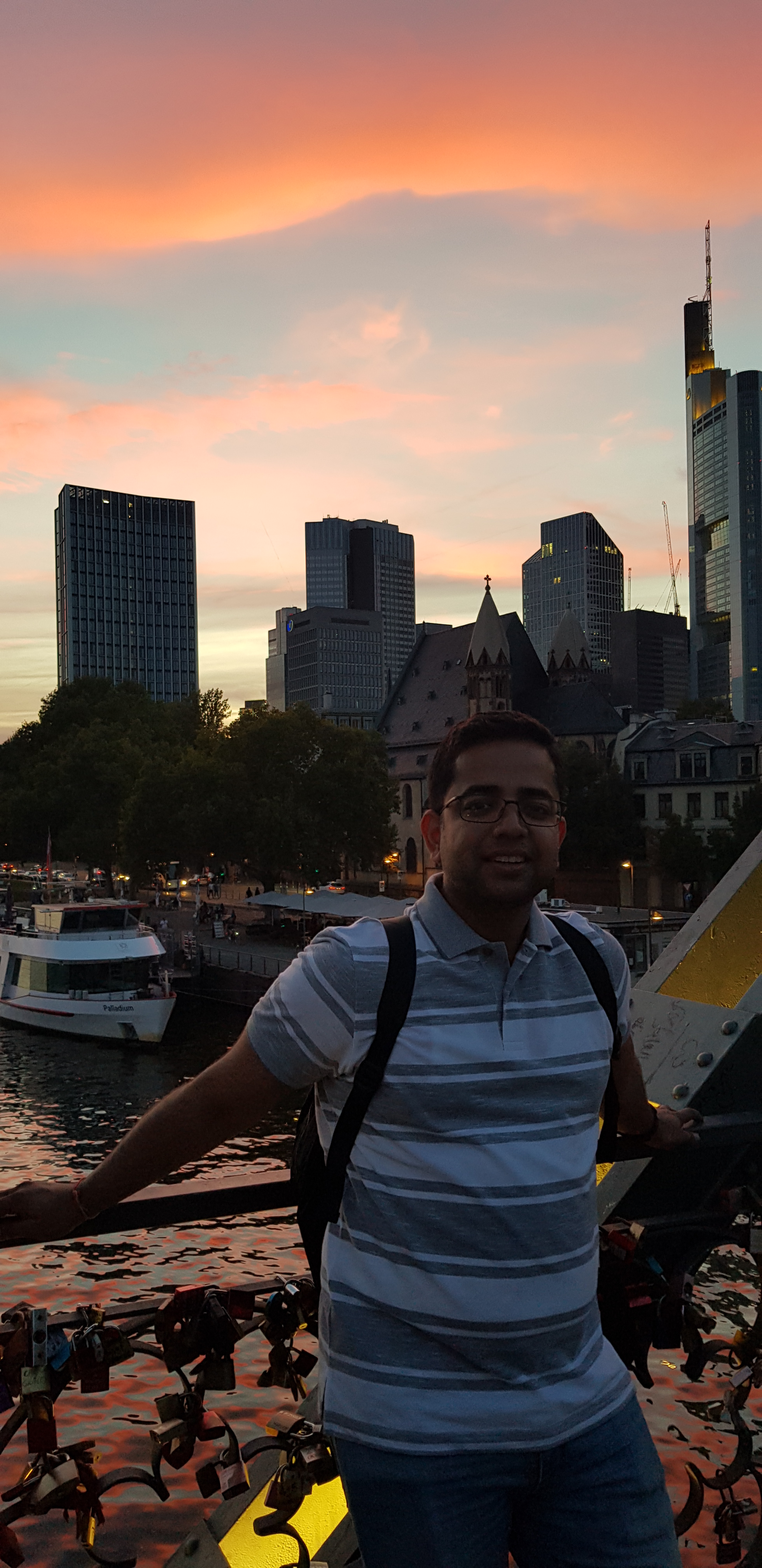
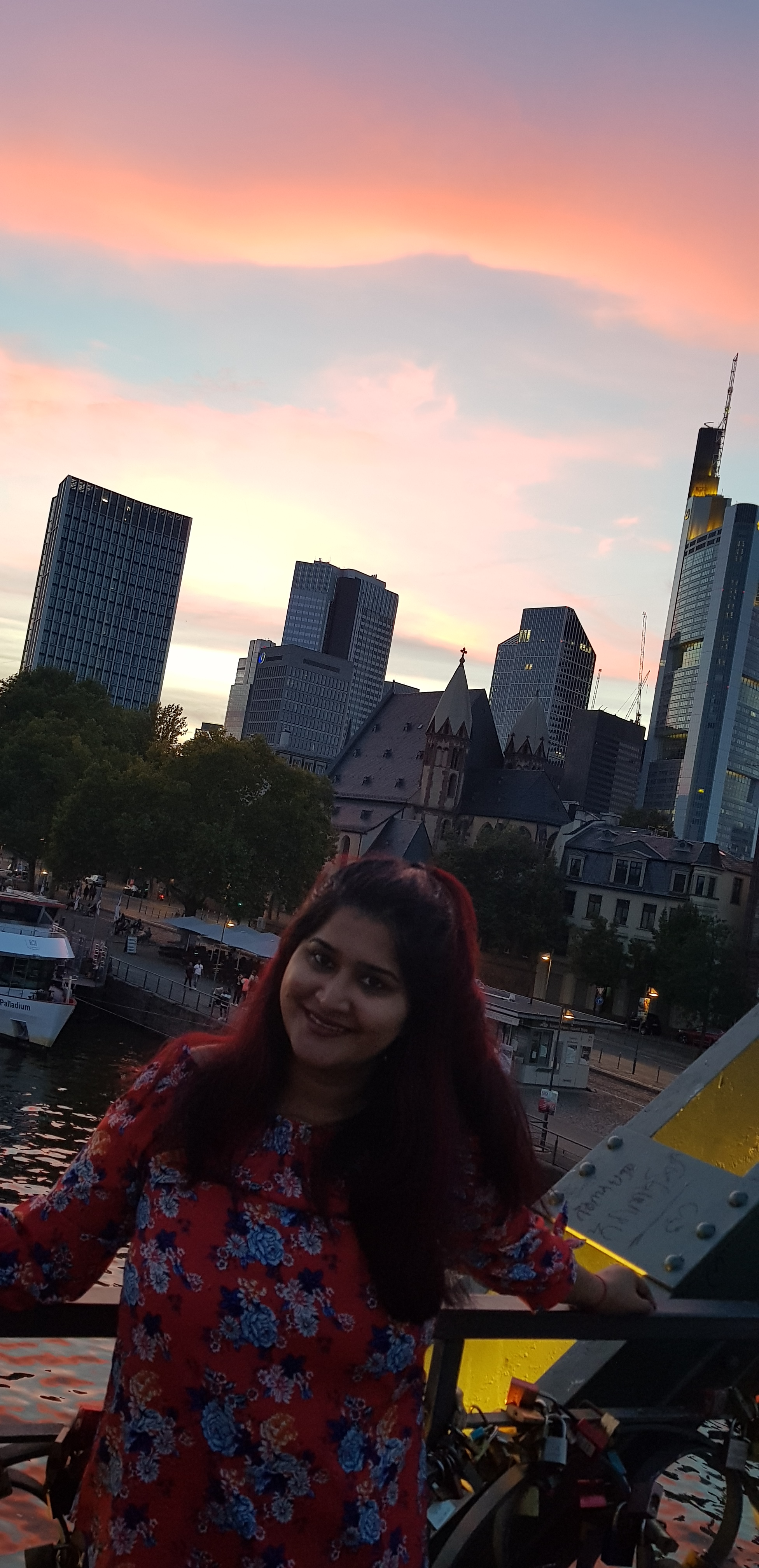
We roamed around in Römerberg for a while, walked across the Eiserner Steg bridge at sun set and added our very own love-lock to the hundreds of thousand others on the bridge. We then strolled in a park right below, got a few pictures there, helped a few others get pictures there and then headed back to the tram station.
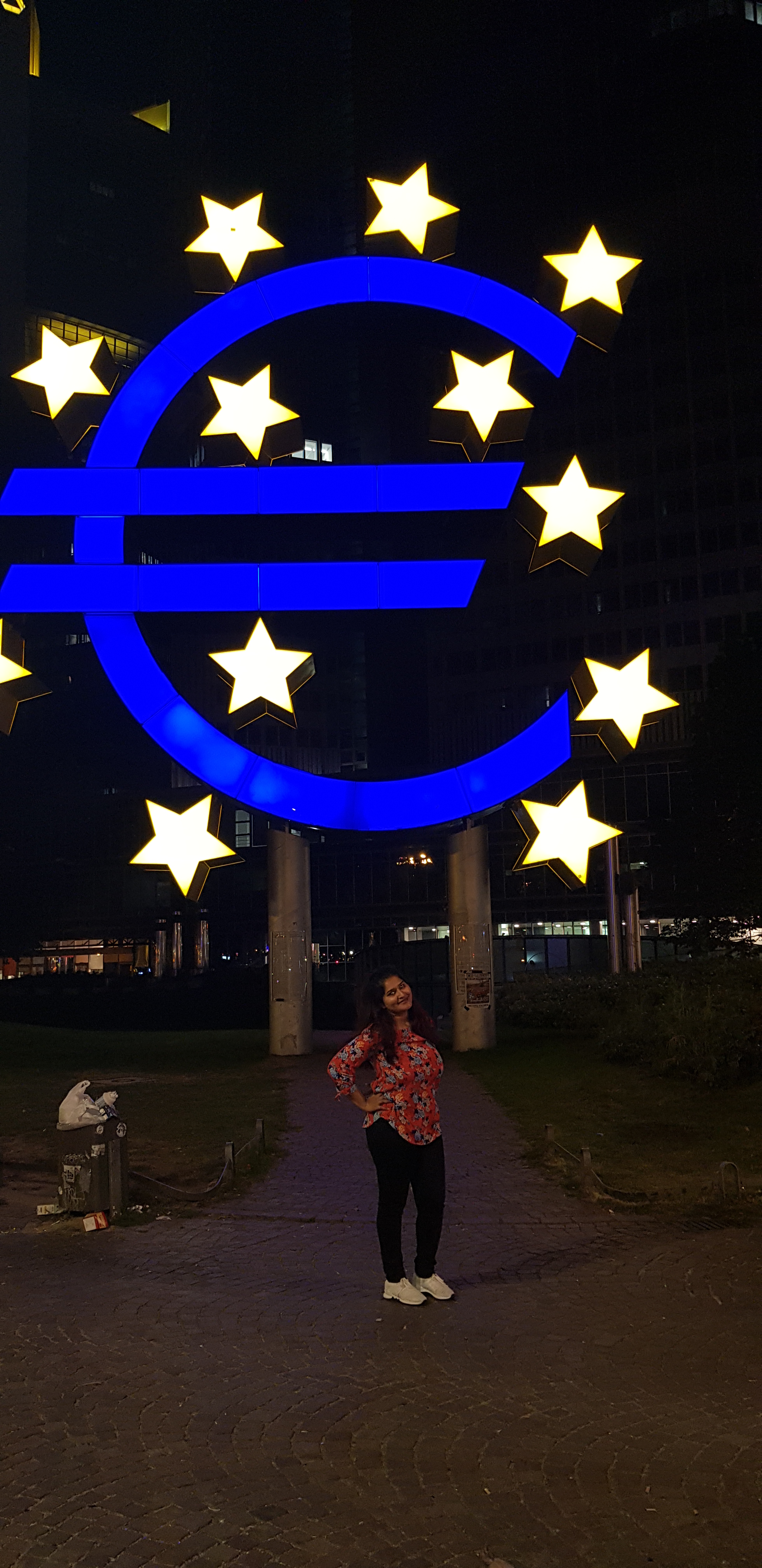
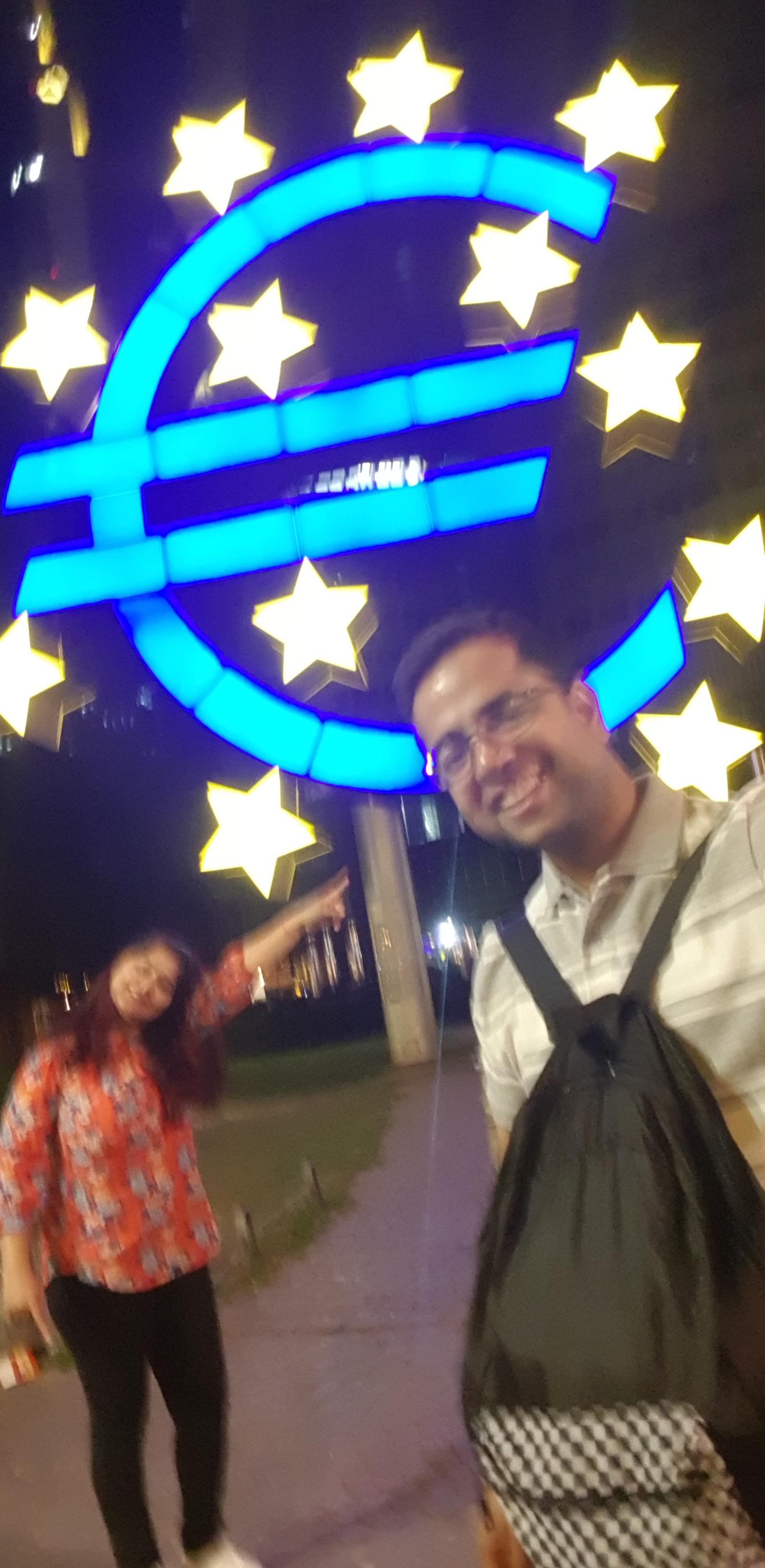
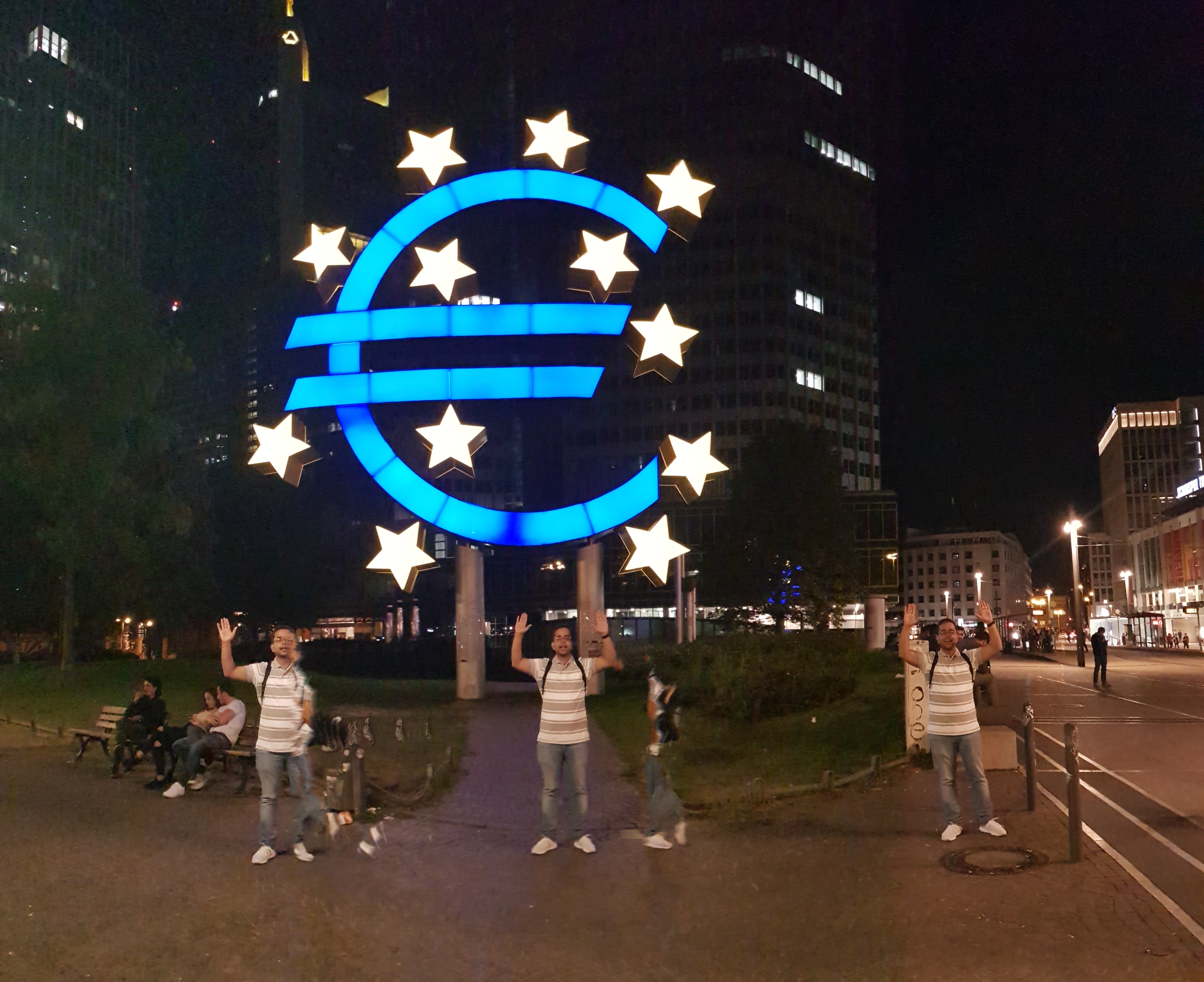
Next stop, the Big Euro Sign. This spot is exactly what it is called, the Big Euro Sign near the stock market. Anyway, the best part according to me is taking a picture in front of the Euro symbol and that is it. The Opera and the English Theatre are just about 100 metres from the symbol and the Hauptbahnhof is within 10 minutess walking distance. But hey, we didn’t have enough time for that.
Once back home, all it took was a candid conversation with an old friend, I was convinced I wanted to move to this city. We’ll get to that later.

Black Forest, the cake and the place.
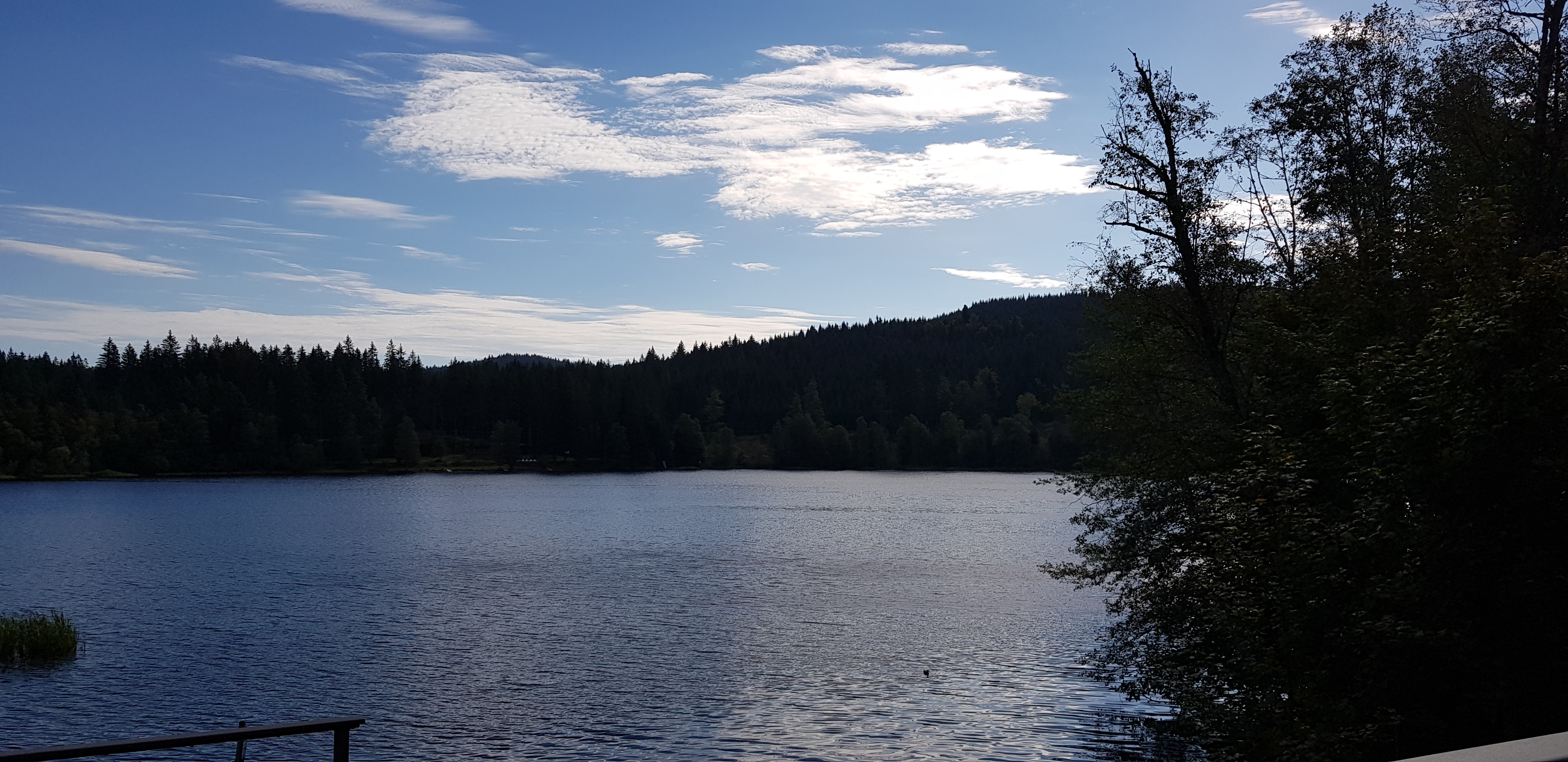
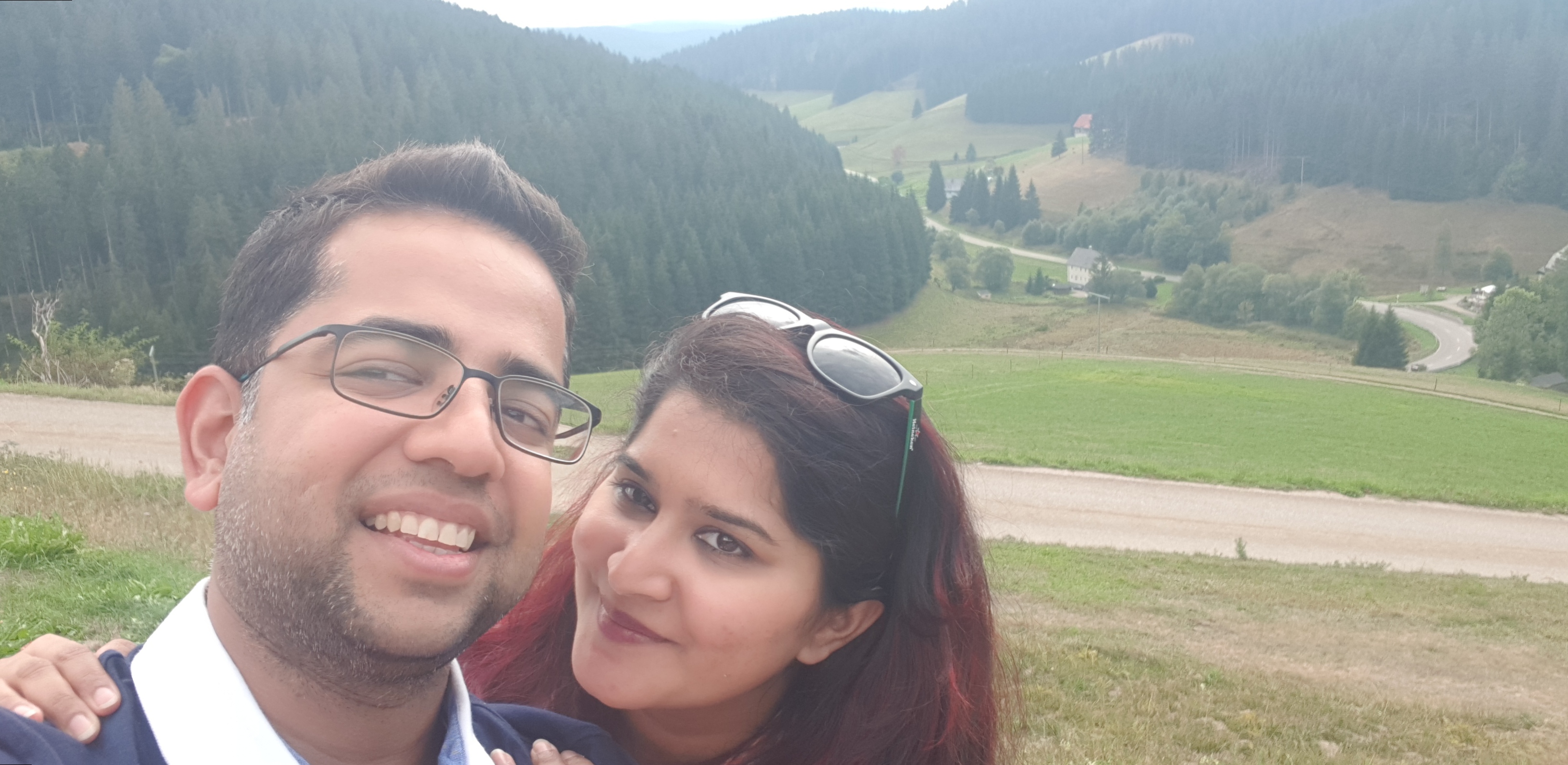
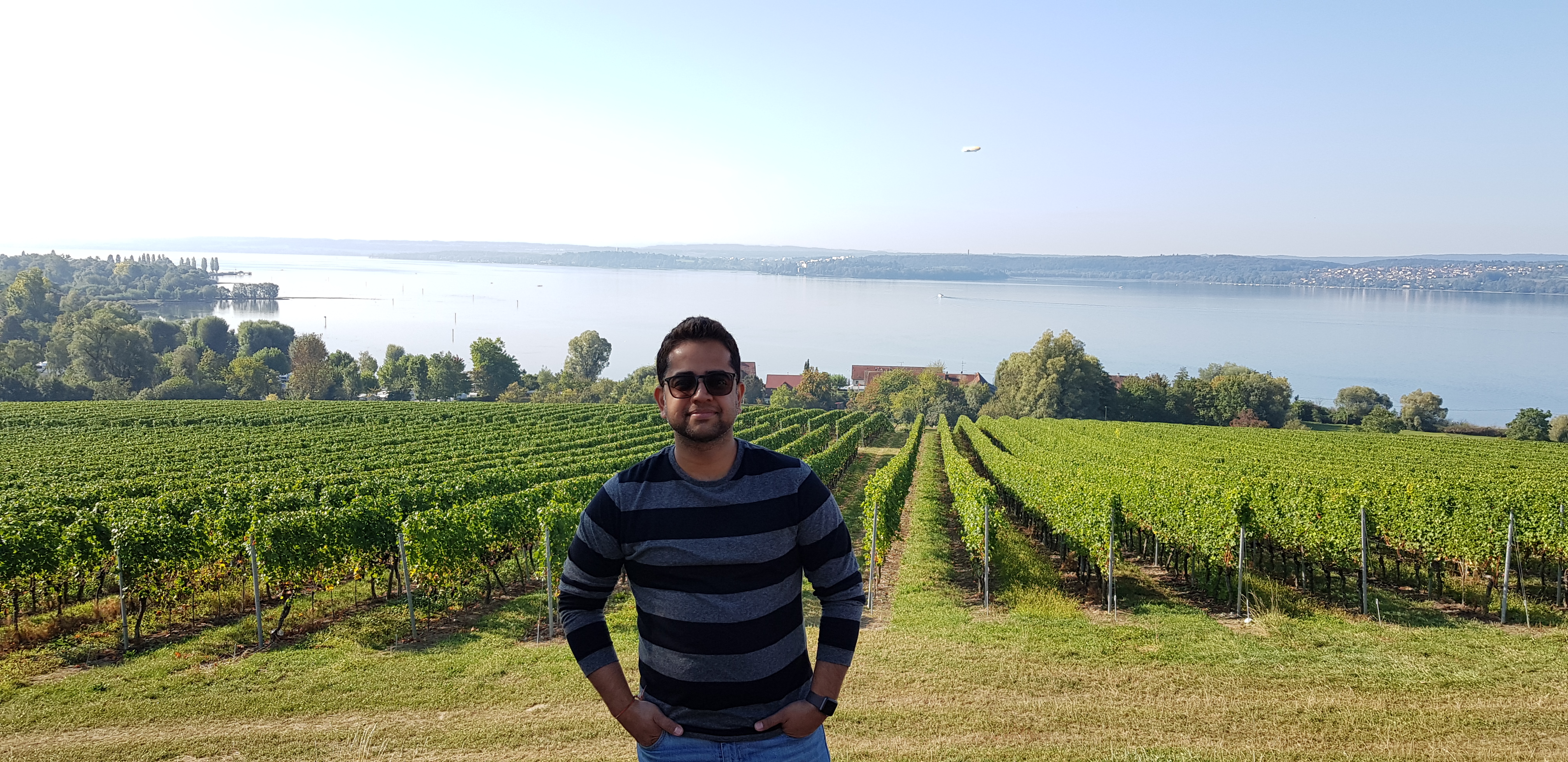
We rented a car from Frankfurt and made our way to our fairytale holiday, quite literally! The Black Forest is best known for being the place where many of the Brothers Grimm fairytales were based, so it’s an area that has long been associated with folklore, fairytales and magic. It’s also a place of incredible natural beauty, filled with spectacular waterfalls, expansive lakes, dense forest and mountains, and I believe that’s the magic we were looking for.
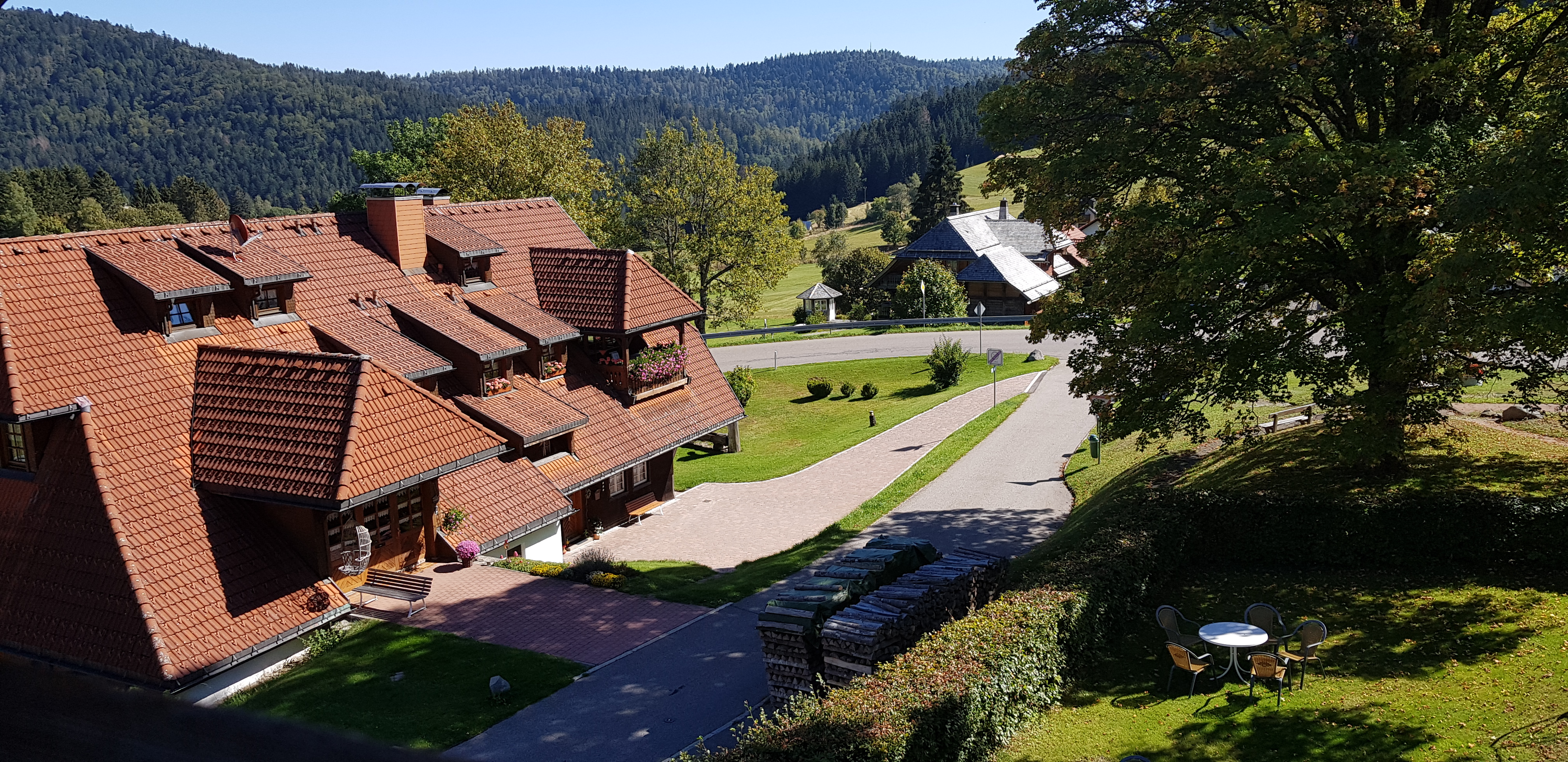
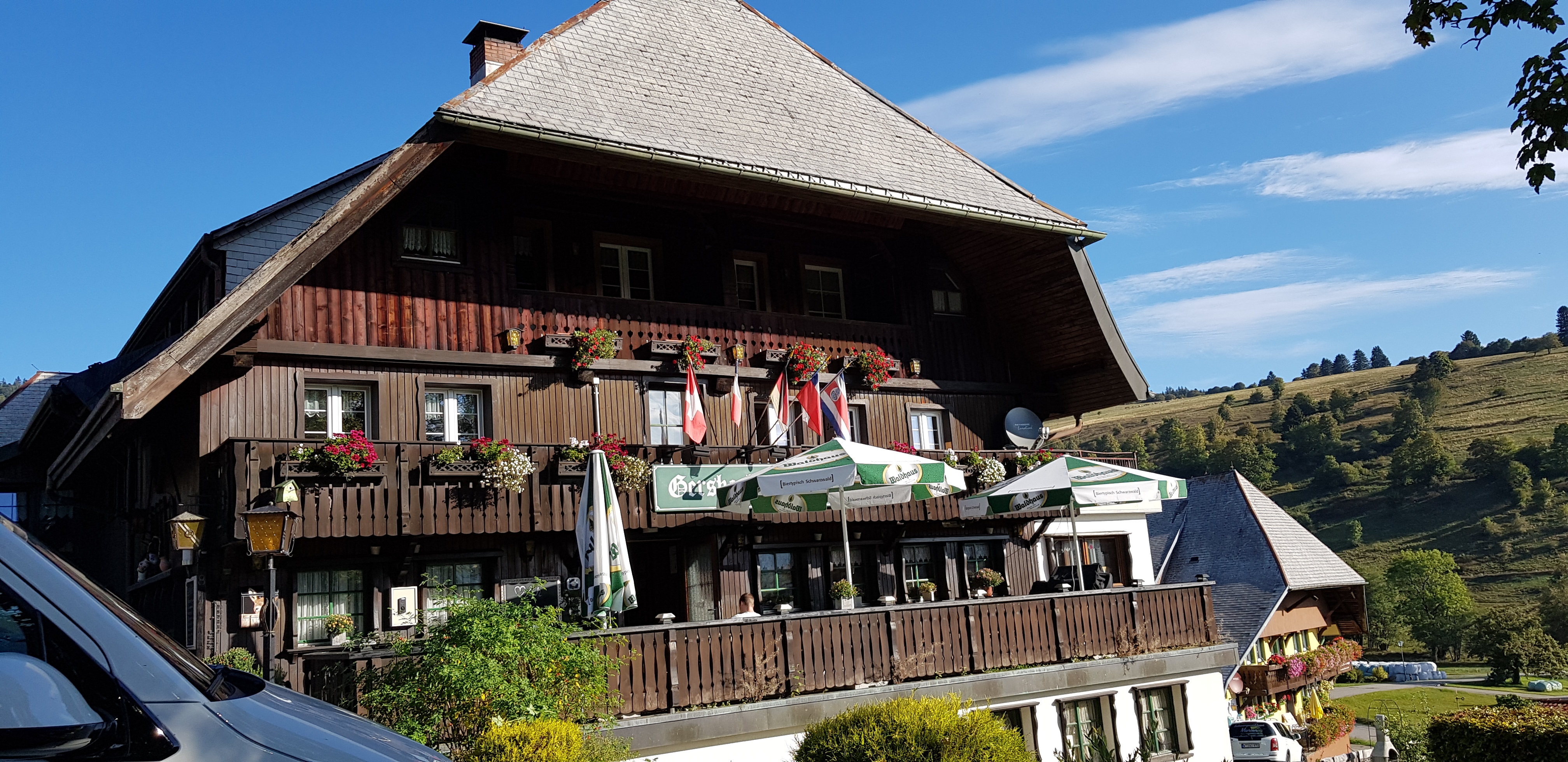
We stayed at this quaint little cottage like hotel – Gersbacher Hof run by Rodger and Bernadette. Oh! What a lovely stay. From the moment we got there, Rodger’s warmth and Bernadette’s delicious food just made us never want to leave that place. Also, the views from here are incredible, definitely a place I’d like to visit again.
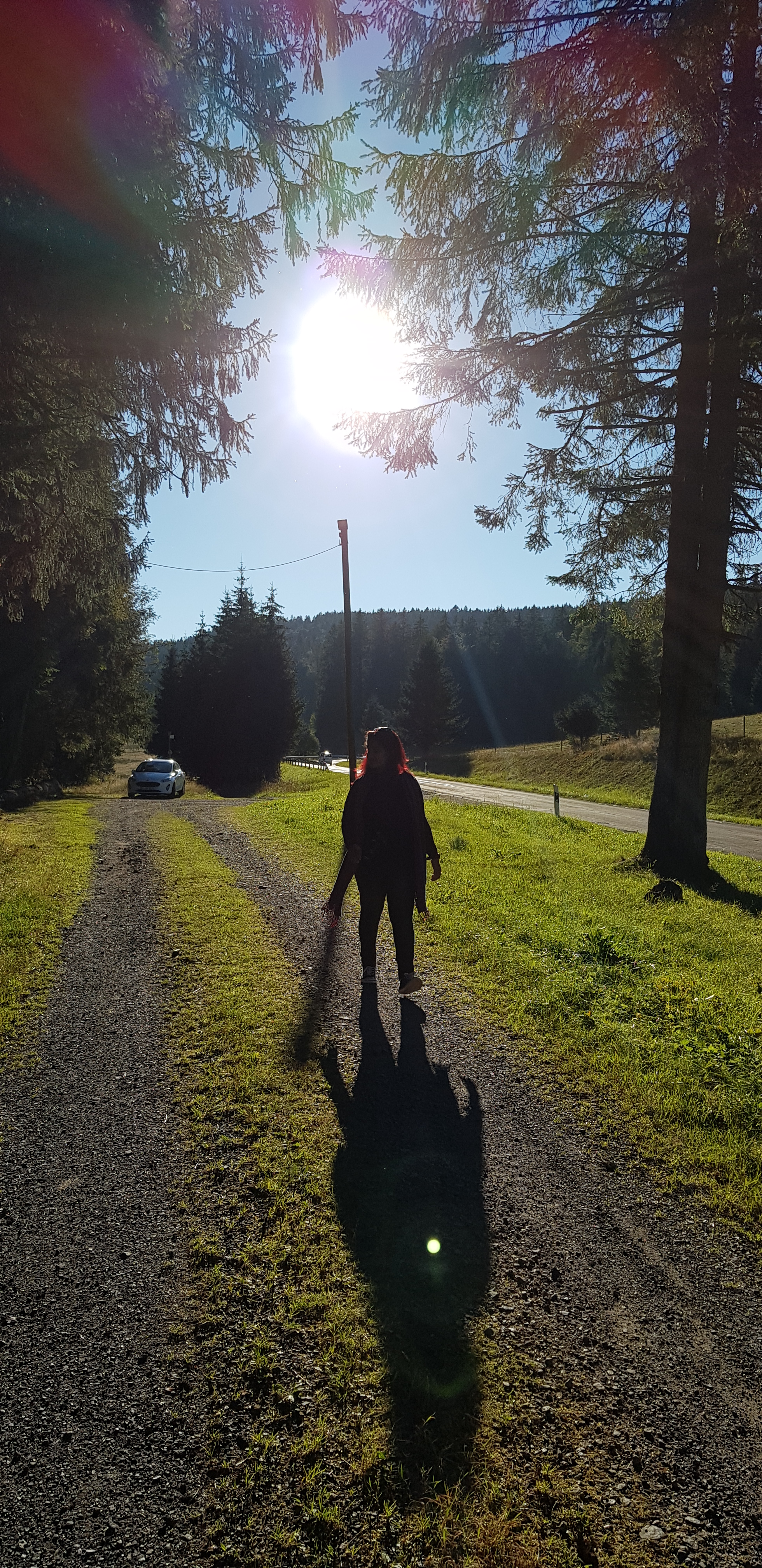
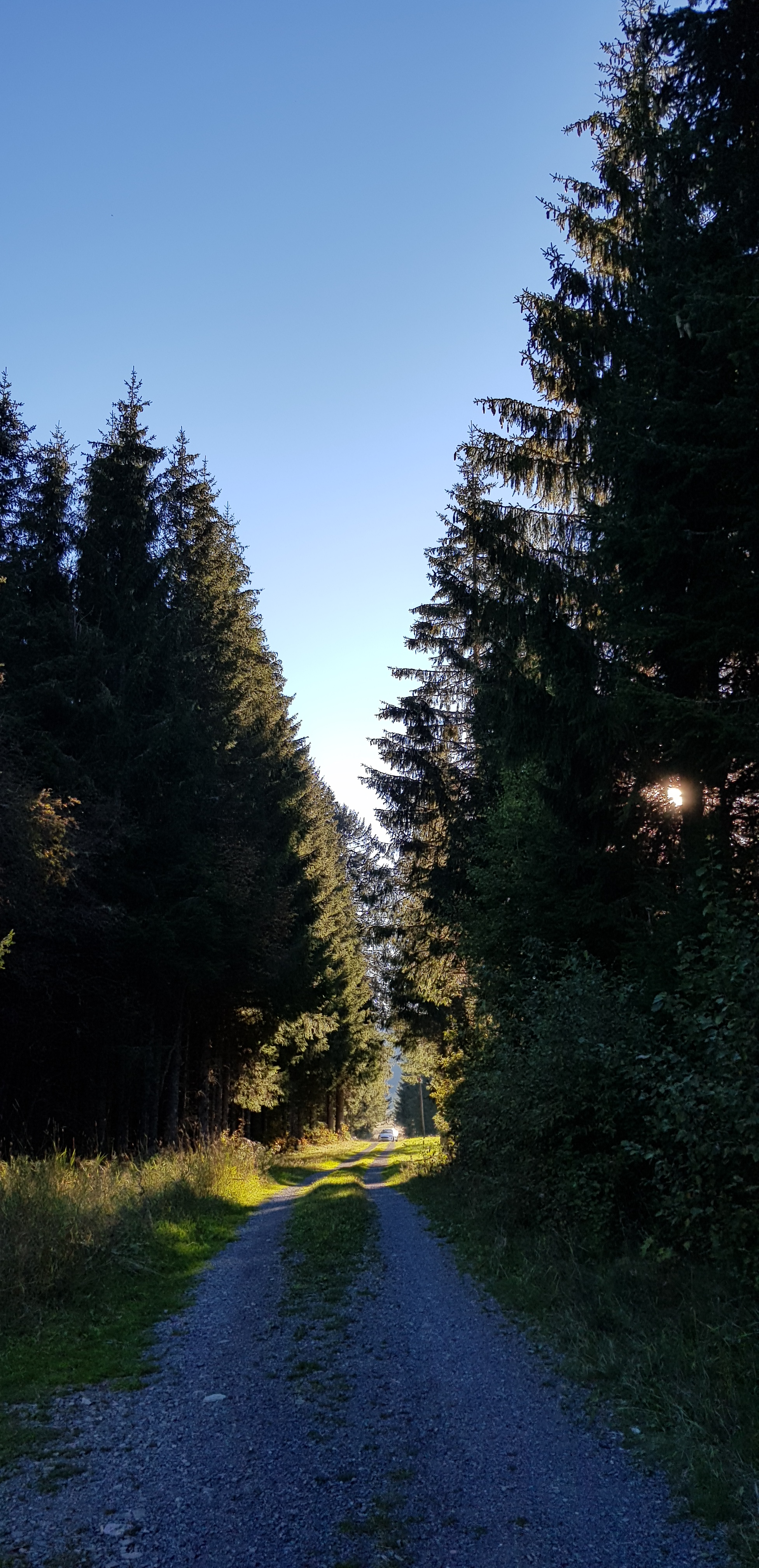
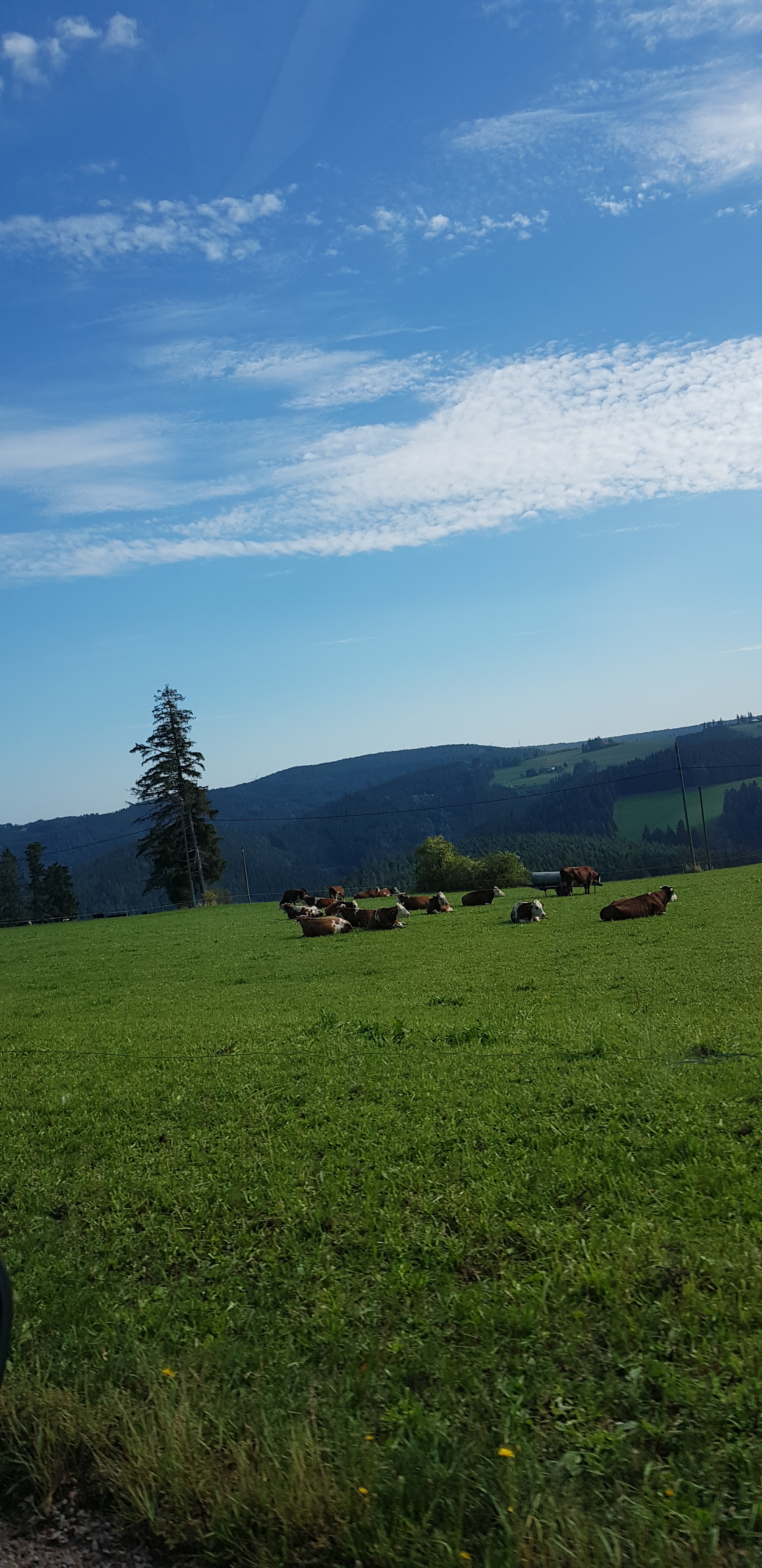
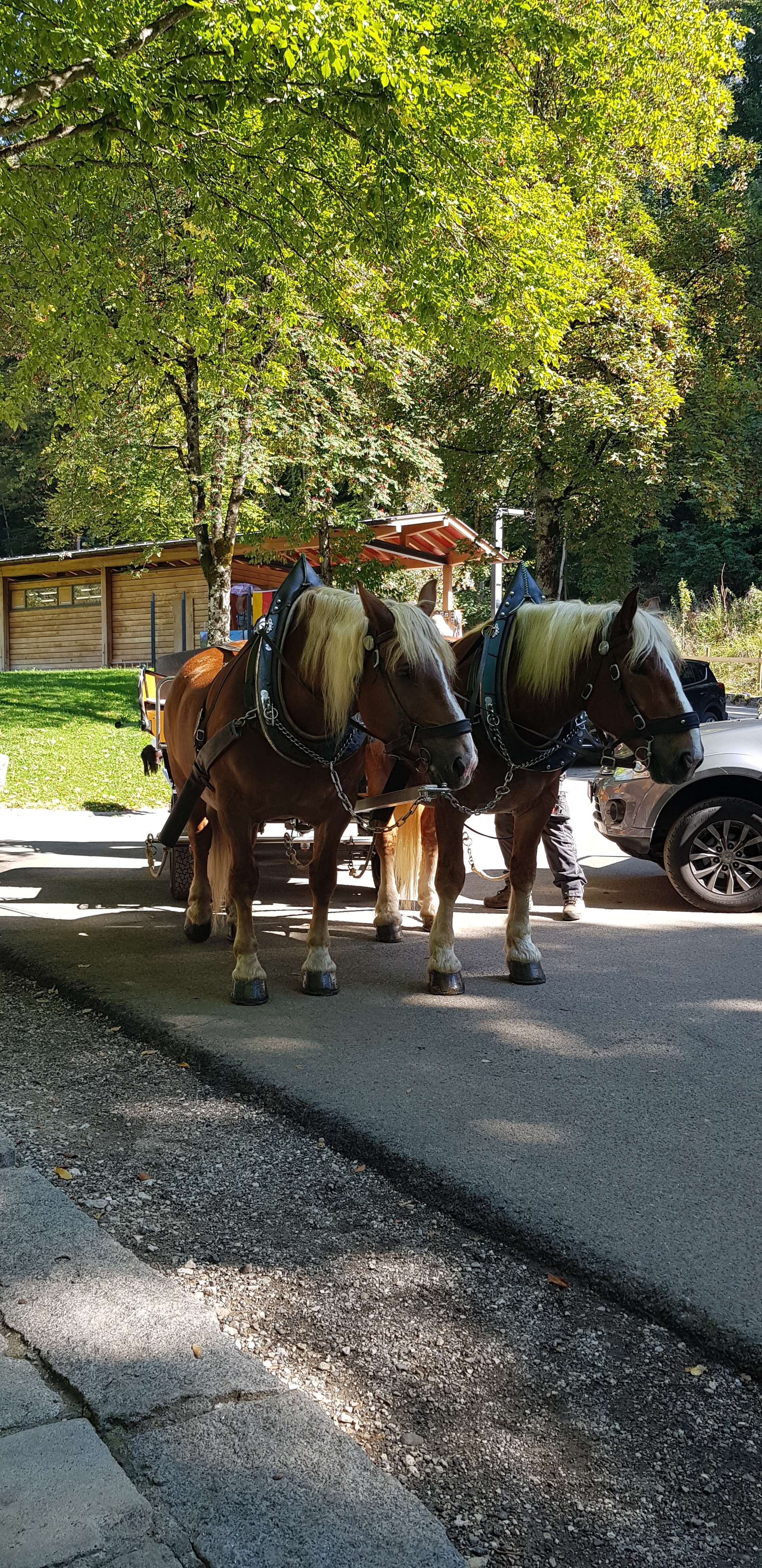
Public transport and railways are super comfortable in Germany. However, a car gives you the freedom to go anywhere and everywhere and believe me with those pretty little villages and castles on the hill, you will not regret it. We spent our first day just admiring nature all around us that was overwhelmingly green, where the hills were alive with the “Sound of Music”.
Humble request #2 by the husband:
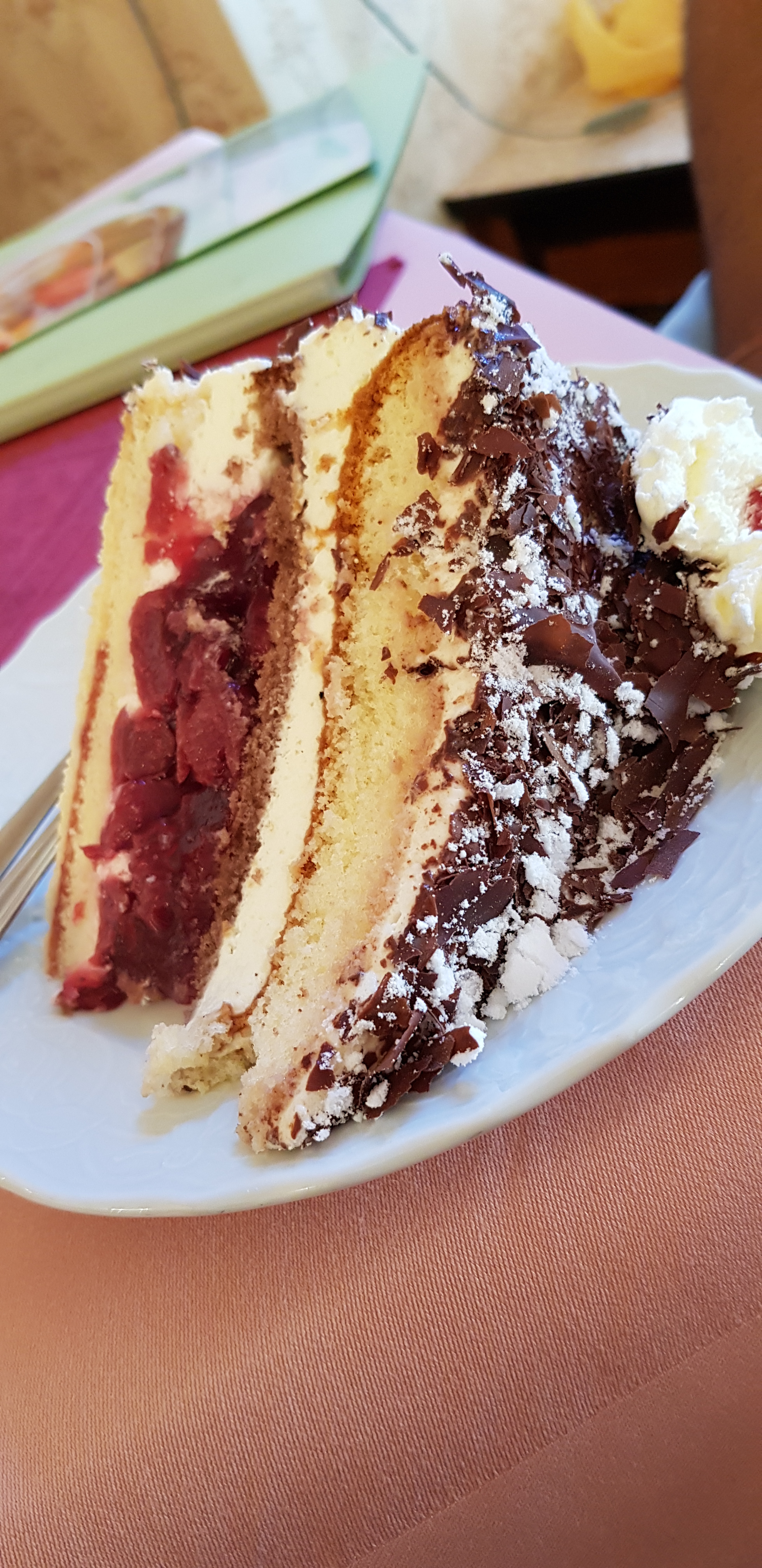
It’s all in the name, black forest, we grew up having this cake from little bakeries in India. We were excited and had a rush even before we gave the cake any scope for a sugar rush. To our surprise, the original Black Forest cake has a layer of sponge soaked in whiskey. It would’ve probably grown on us, but we didn’t expect the taste in the first bite. So, we were left wanting for something sweet, a scoop of vanilla ice cream helped us overcome that. Locals will tell you, the look of the cake is inspired by the traditional costumes of country girls, which includes dark or brown skirts, white shirts, and cherry red hats.

The mouse ran up the world’s first largest cuckoo clock!
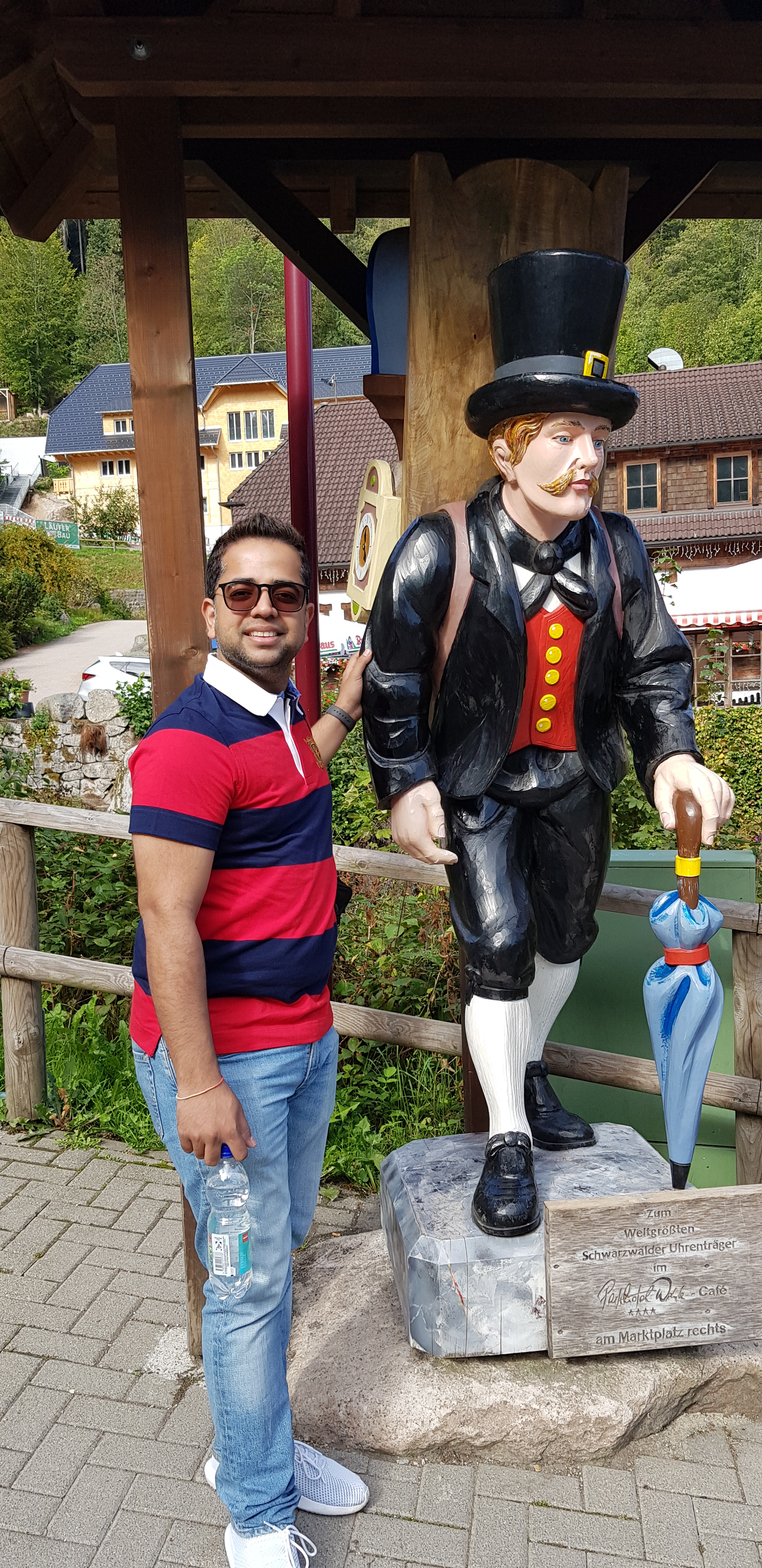
From the moment I decided to travel to this place, I knew I wanted a cuckoo clock for my home and that I wanted to see the world’s first largest cuckoo clock; I did both.
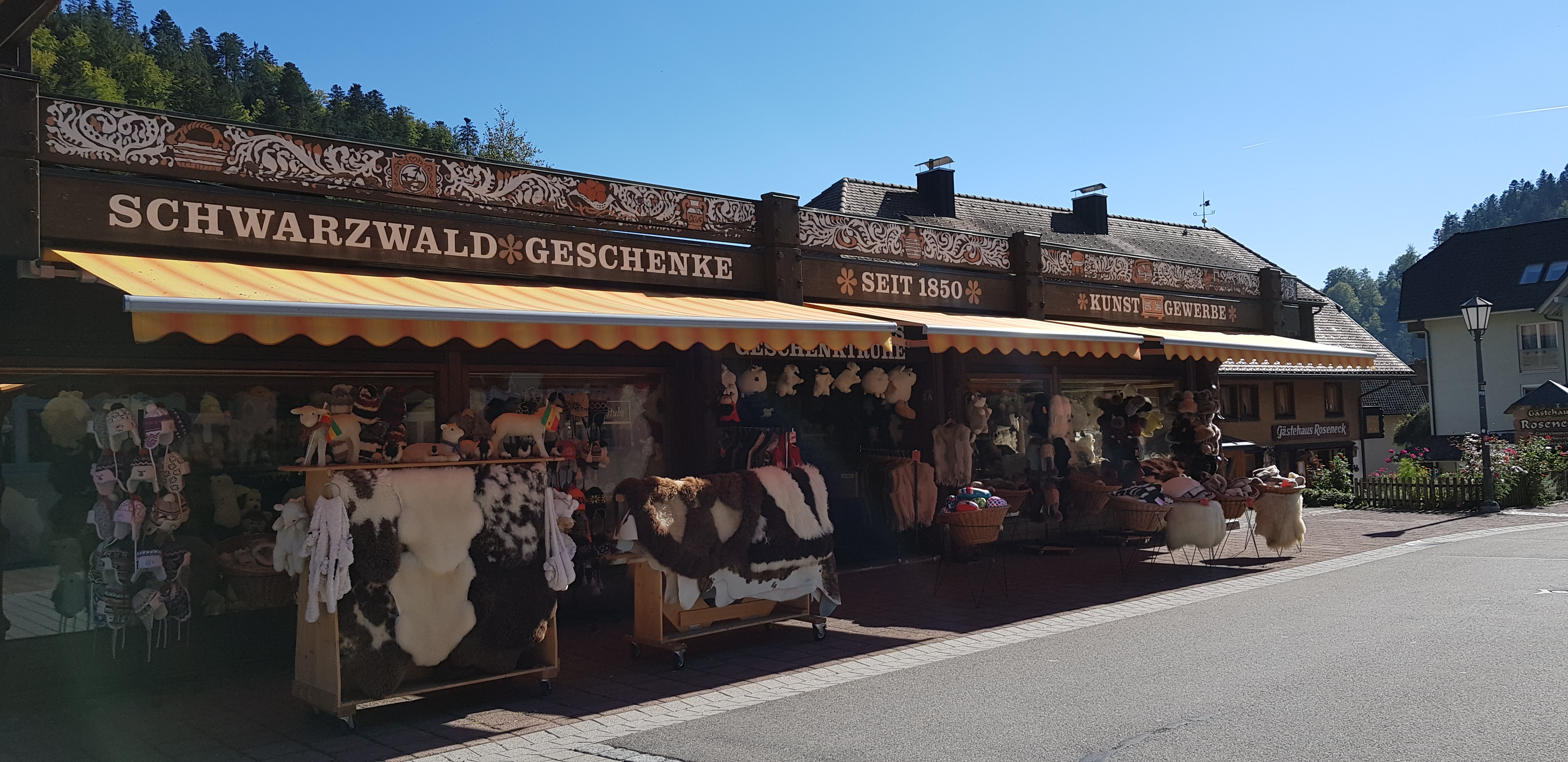
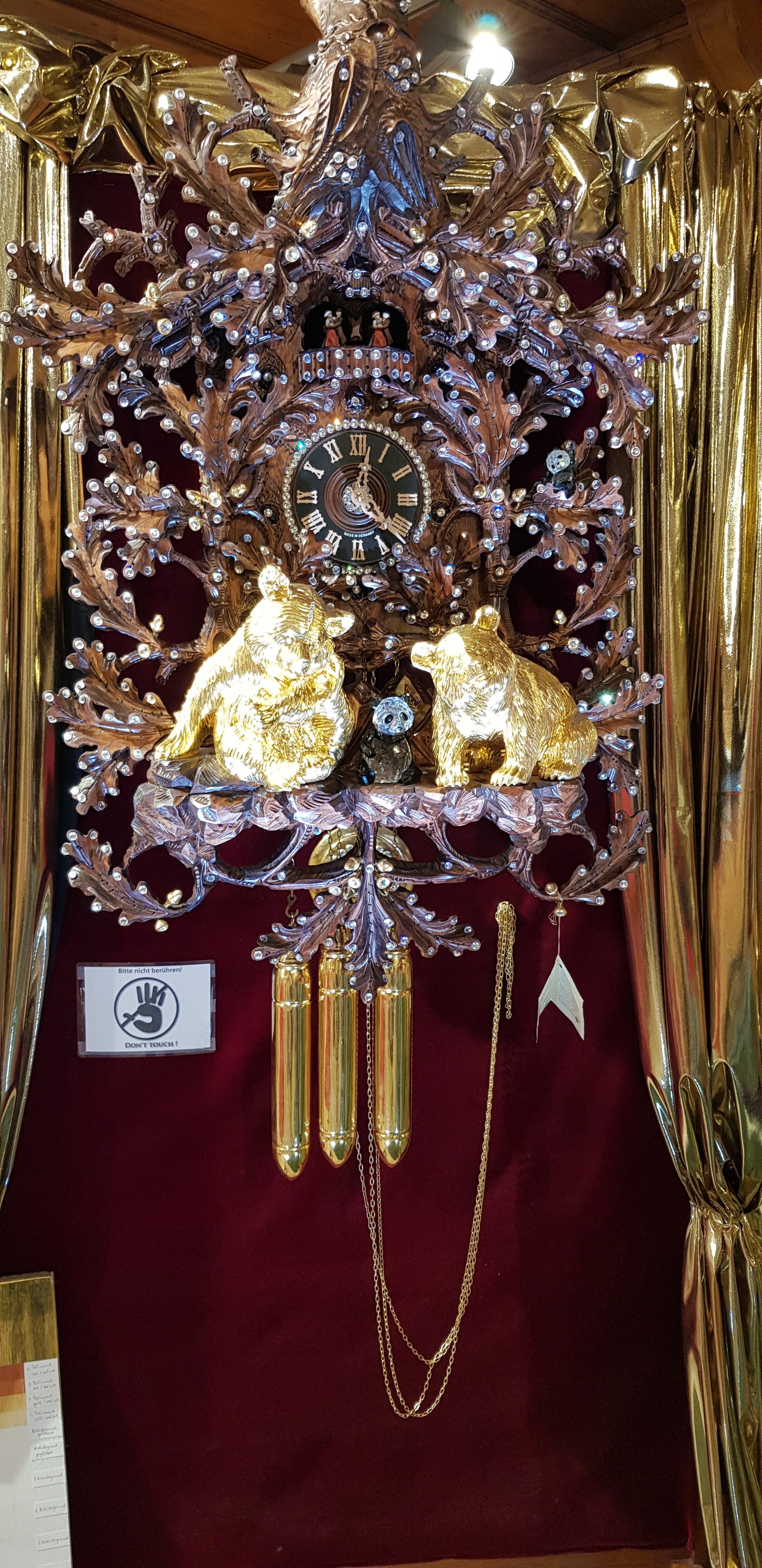
We first visited the House of a 1000 Cuckoo clocks. My childhood home, back in Hyderabad, India had a cuckoo clock and I absolutely adored that thing. I scouted the store for one that looked exactly the same, and I found it. Now, that was a souvenir coming back with me to Dubai.
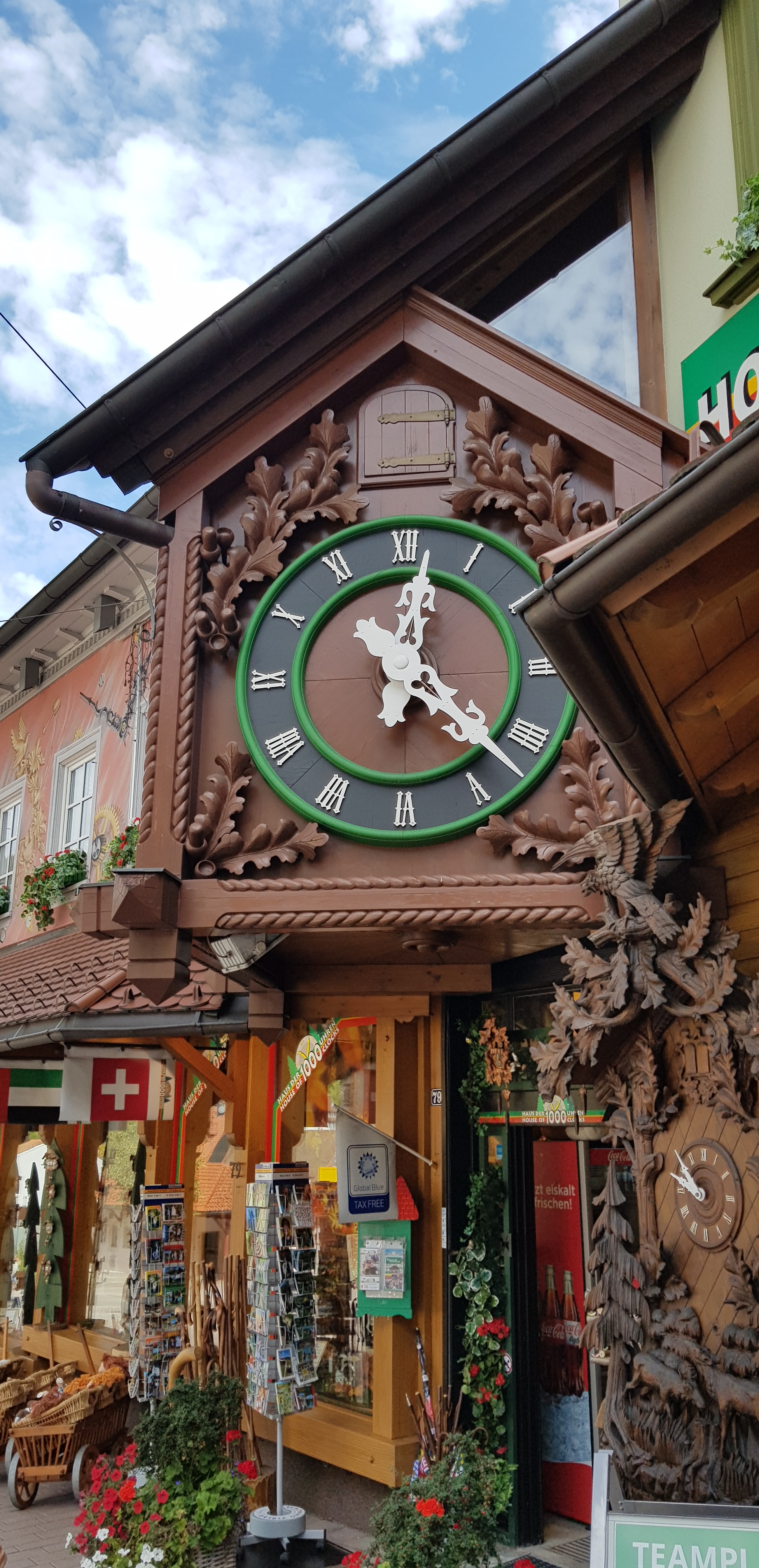
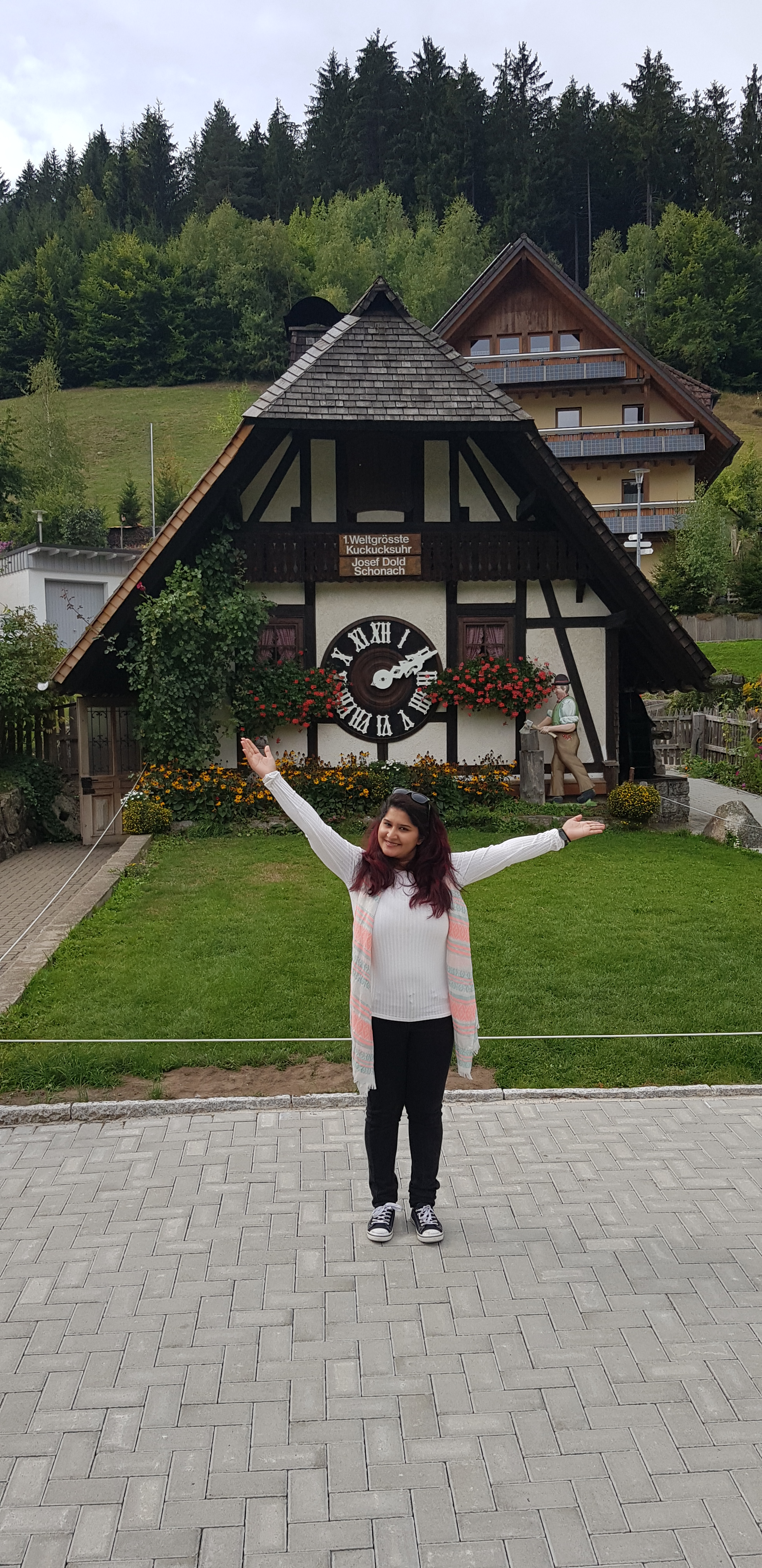
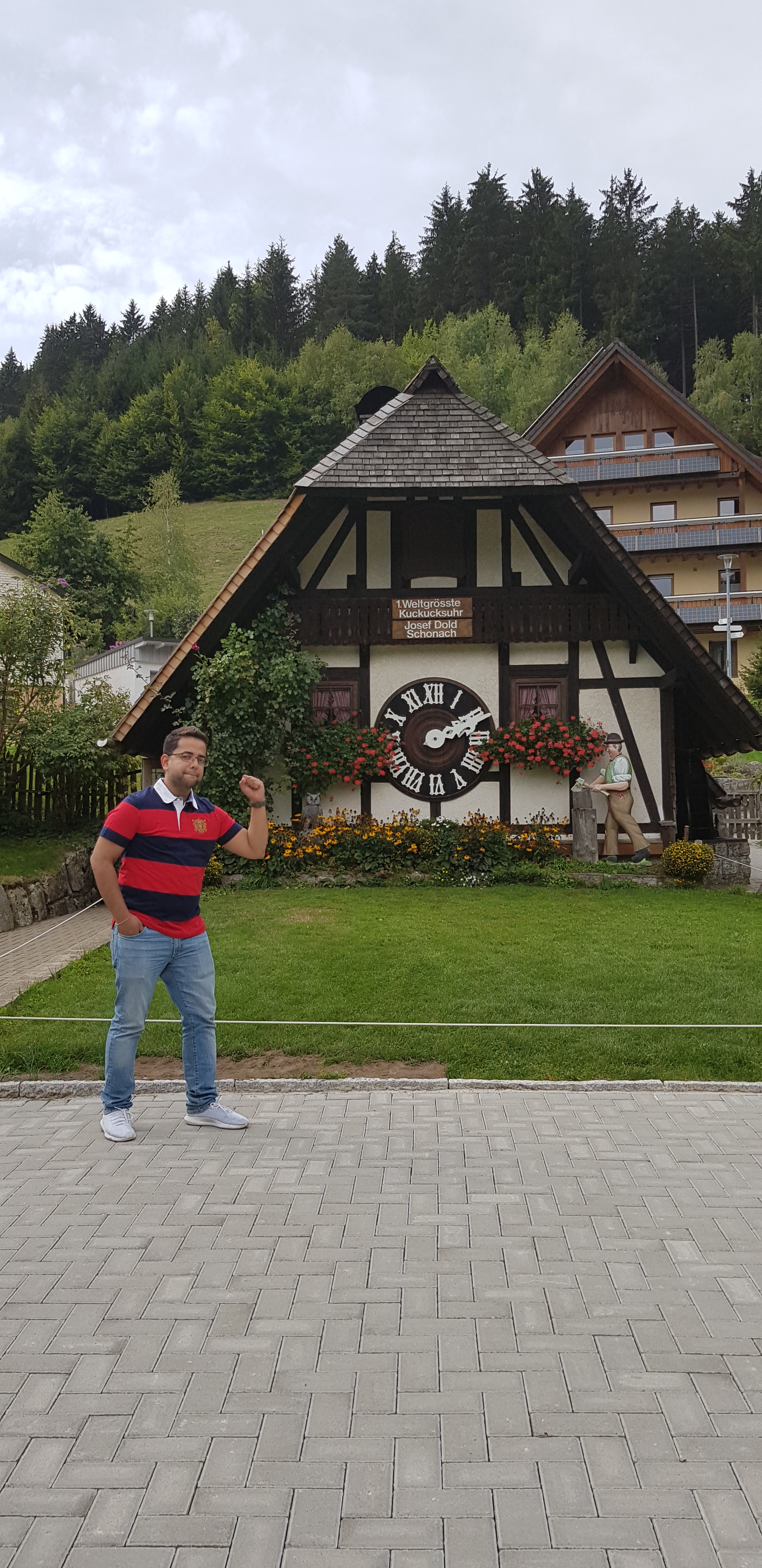
Next, we went to see the world’s first largest cuckoo clock! The cute little town of Schonach, on the way to Triberg, is where you can find it. The clock more like a duplex house with an adorable gift shop inside. You almost feel like the little mouse that ran up the clock in the nursery rhyme. We clicked pictures in front of it, around it, behind it and in its near vicinity, then moved on to the next place on our checklist.
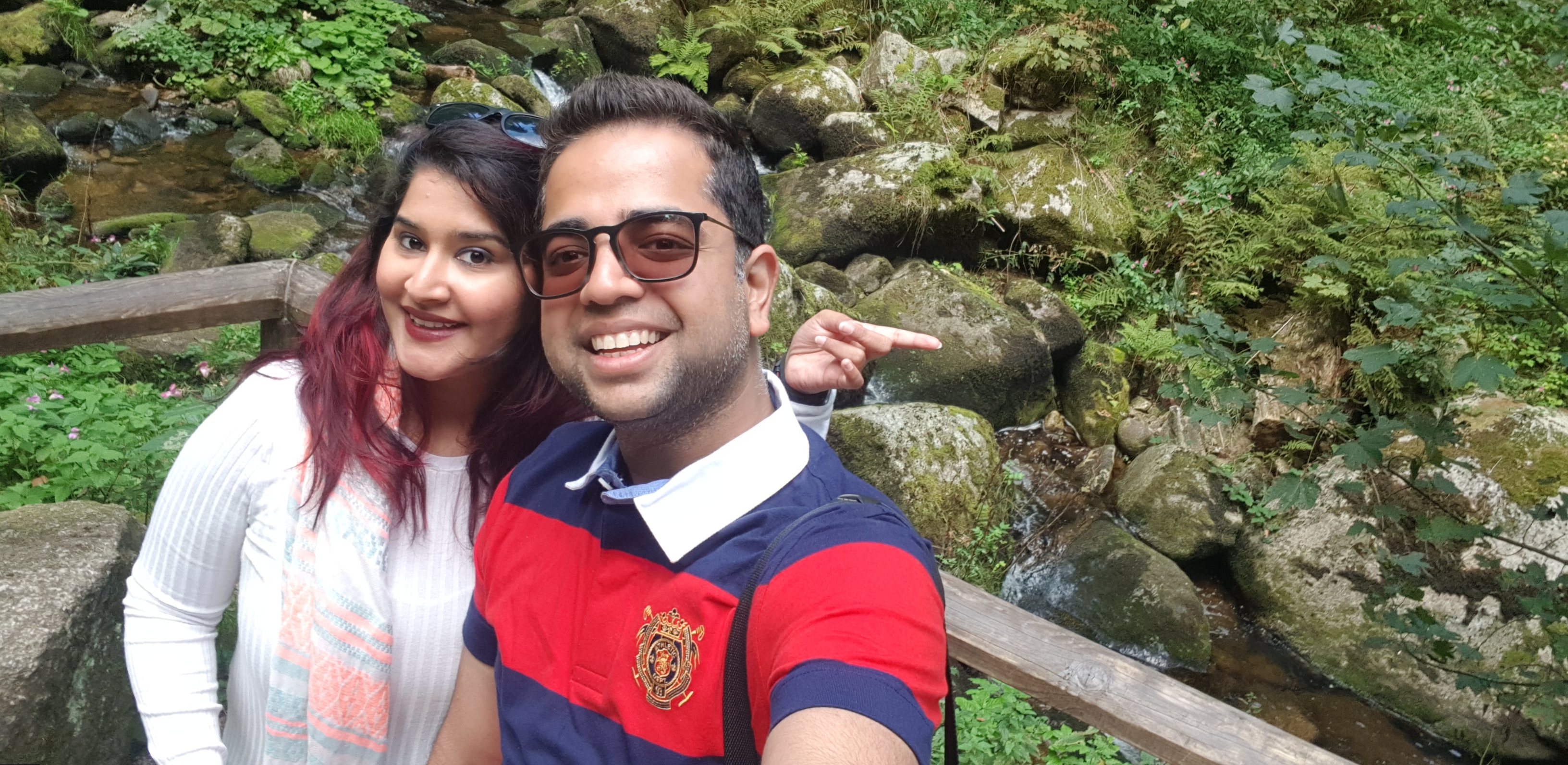
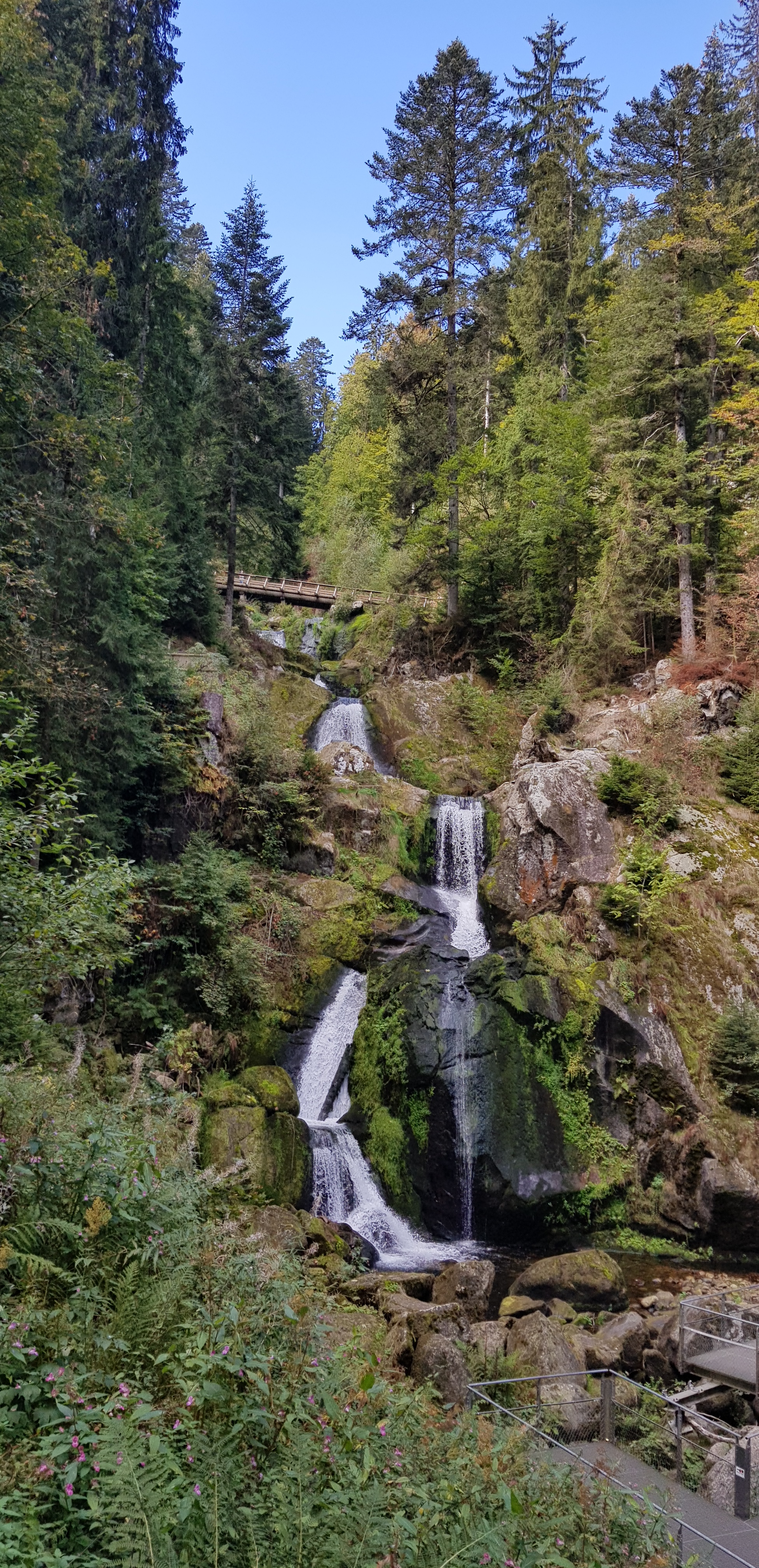
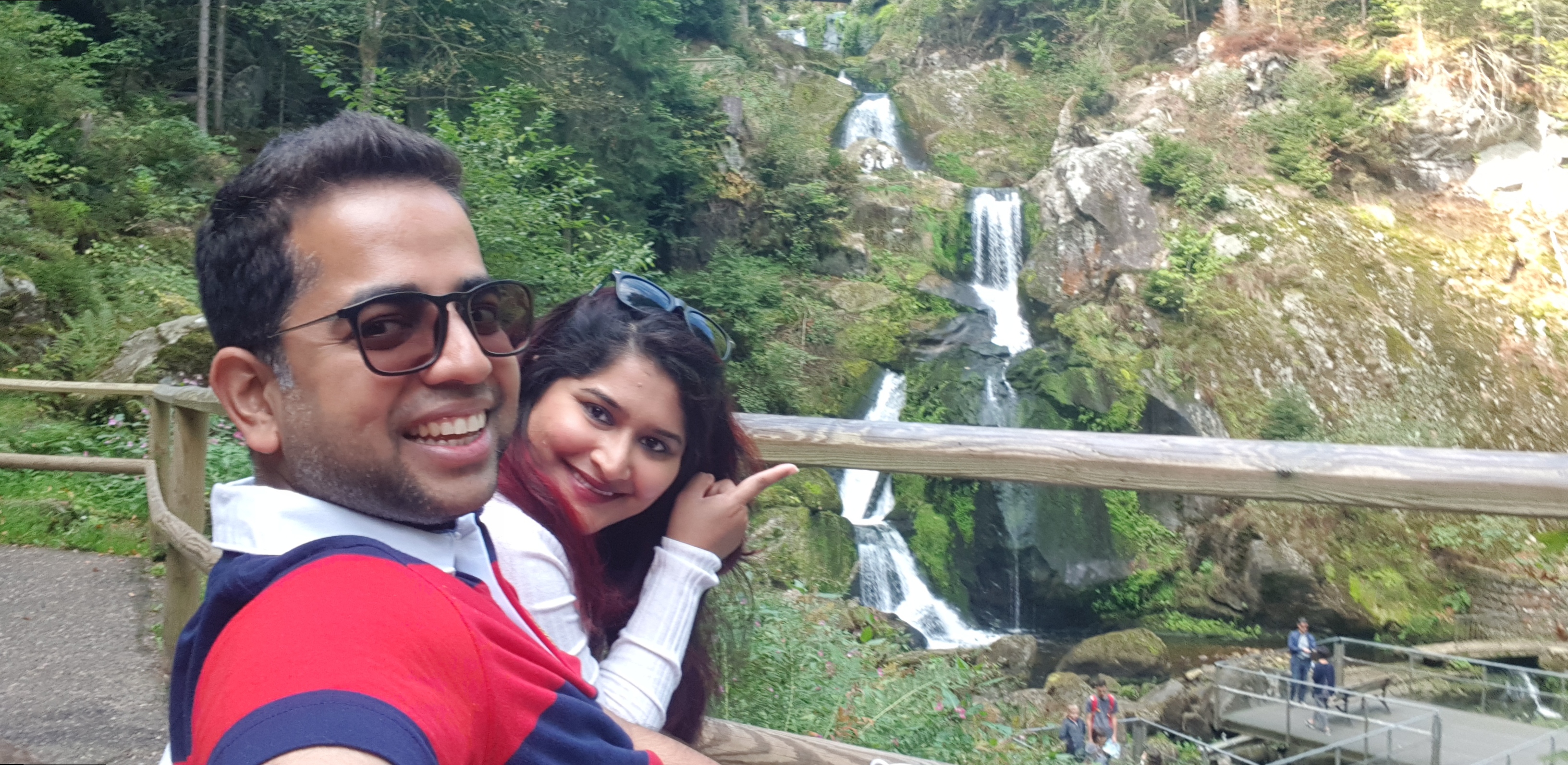
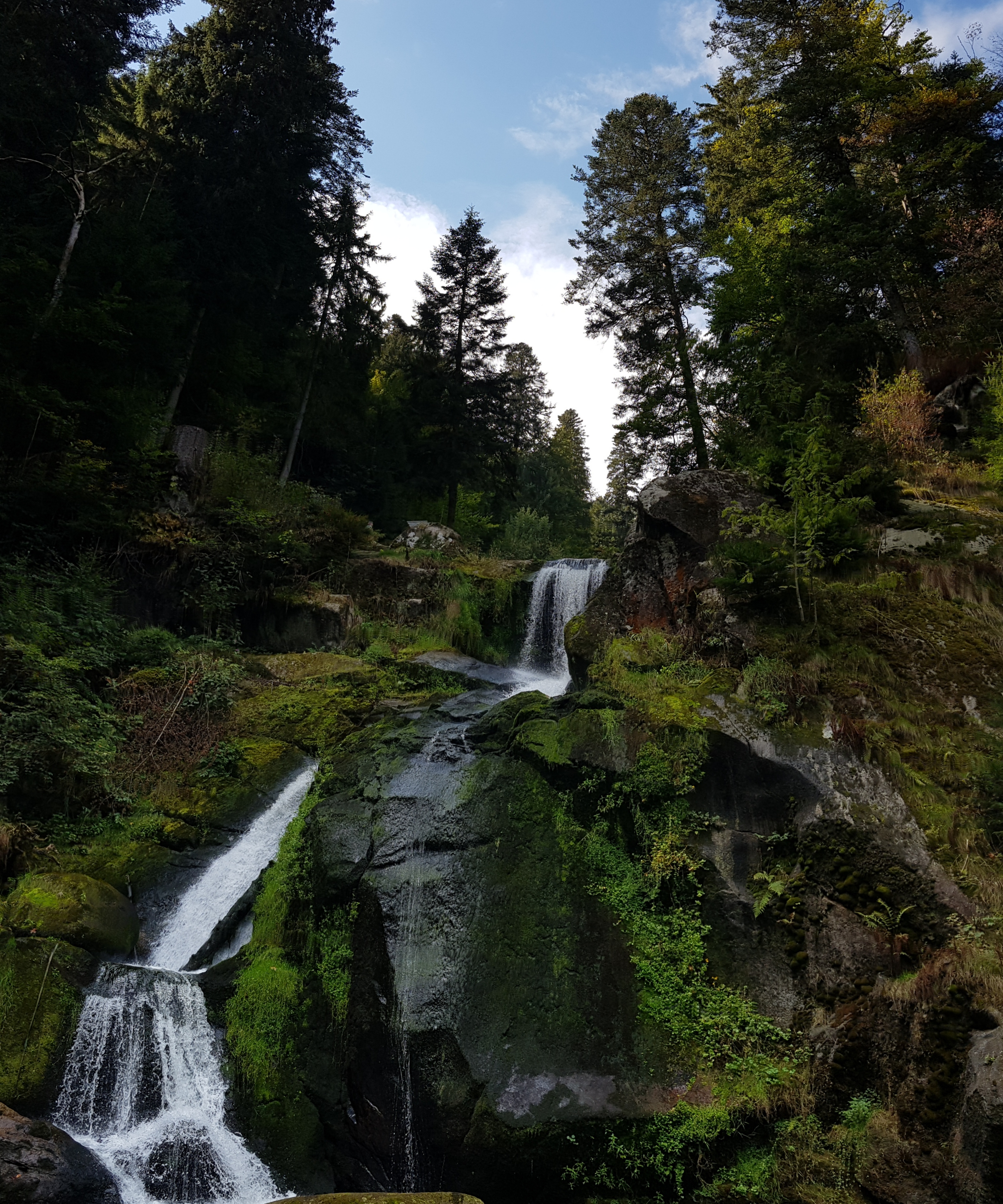
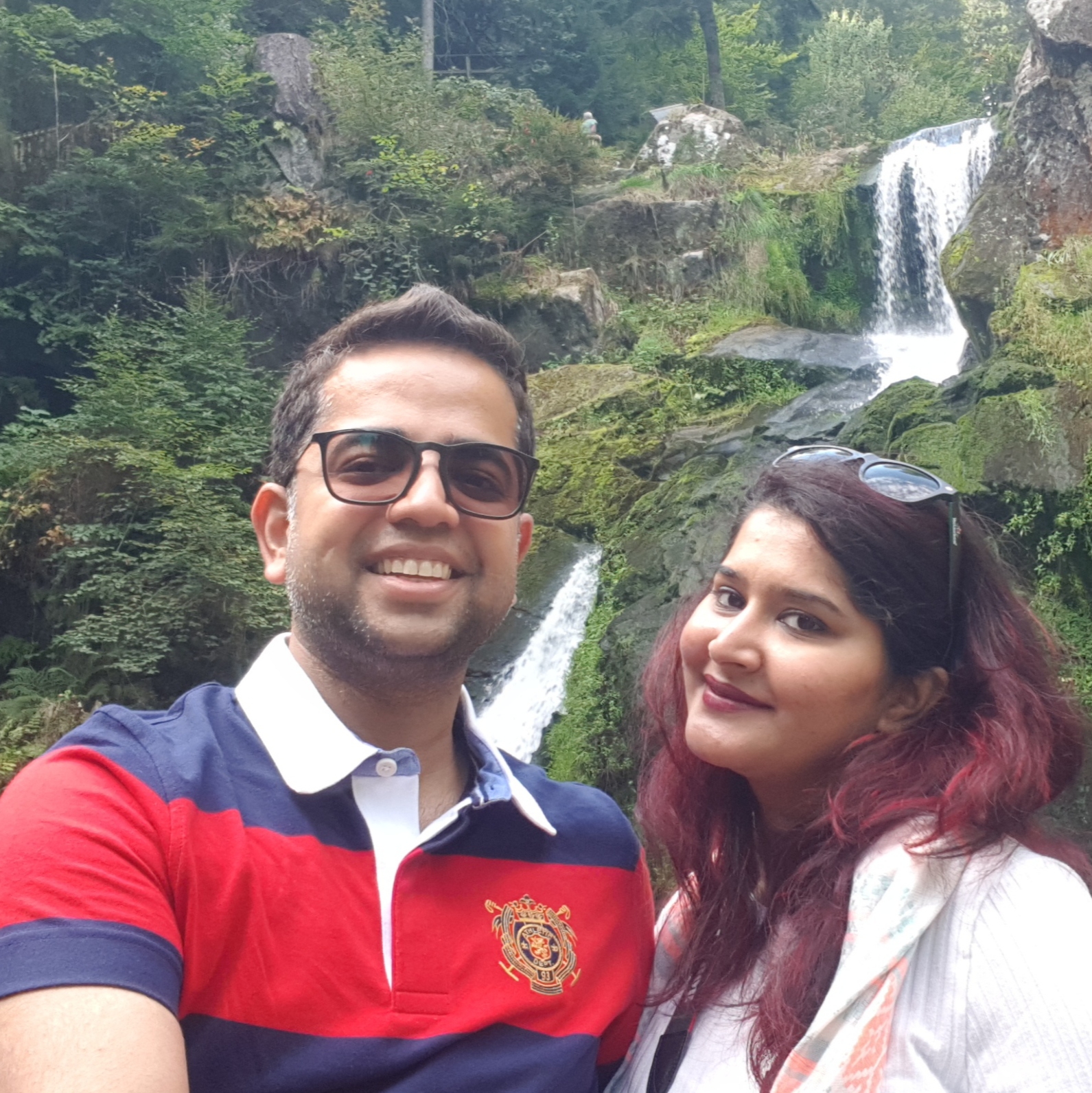
Off to the wasserfalls! Triberg is a small town and home to the largest waterfall in Germany. It’s an uphill hike of about 45 mins, nothing that a non-hiker can’t hack.
As we walked up looking at the gorgeously green pathways, I could imagine Red Riding Hood, hopping around the woods, and may be catching up with Hansel, Gretel, Snow White and the seven dwarves over a cup of hot tea or something.
Humble request #3 by the husband:
Hickory dickory dock, the mouse ran up the clock. The clock struck one, the mouse ran down. Hickory dickory dock, tick tock, tick tock.
That didn’t make sense, but that’s what was on my mind while we were shopping for our cuckoo clock and while we visited the world’s first largest cuckoo clock. Tick tock!

Do you believe in fairytales?
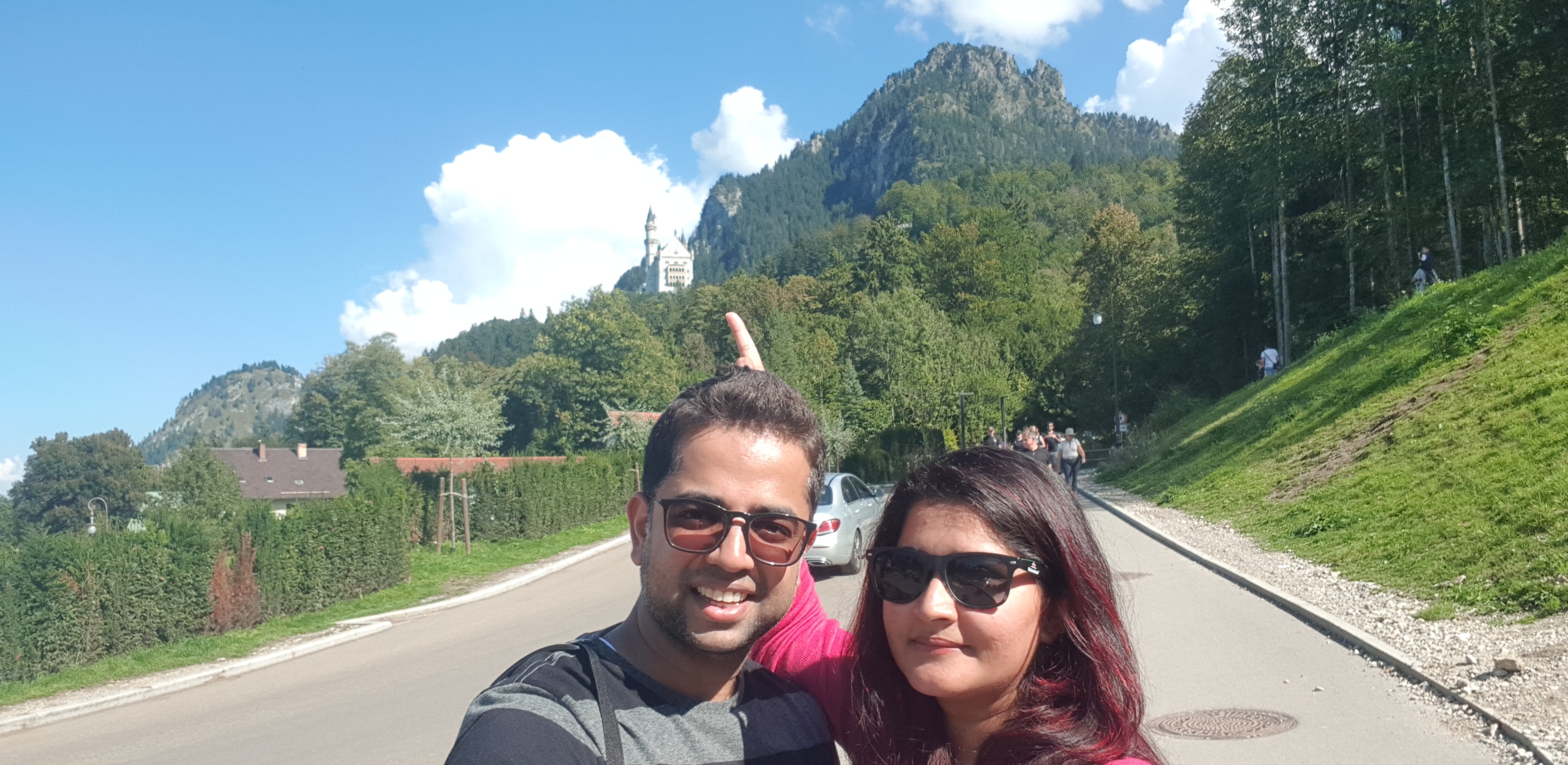
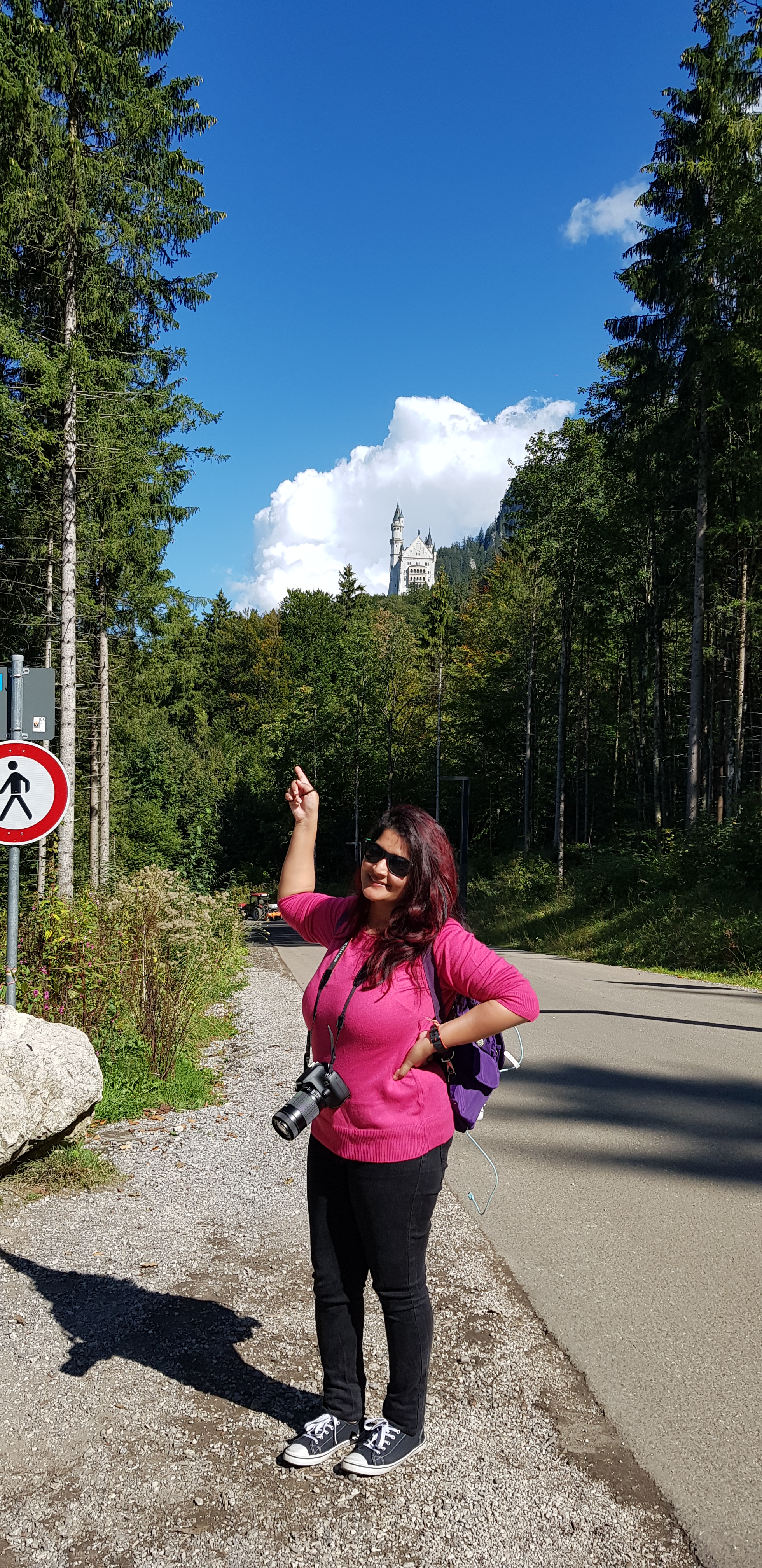
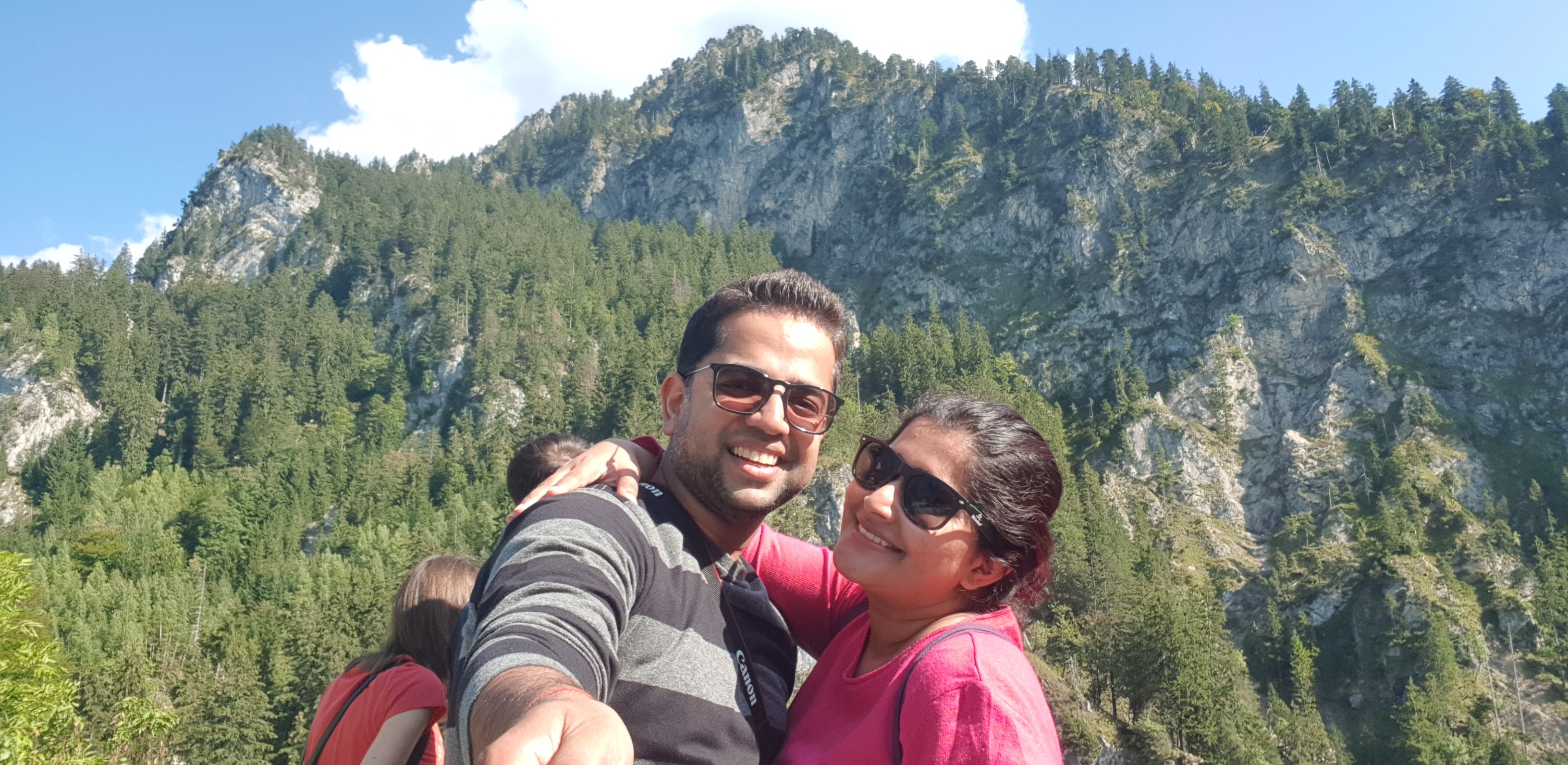
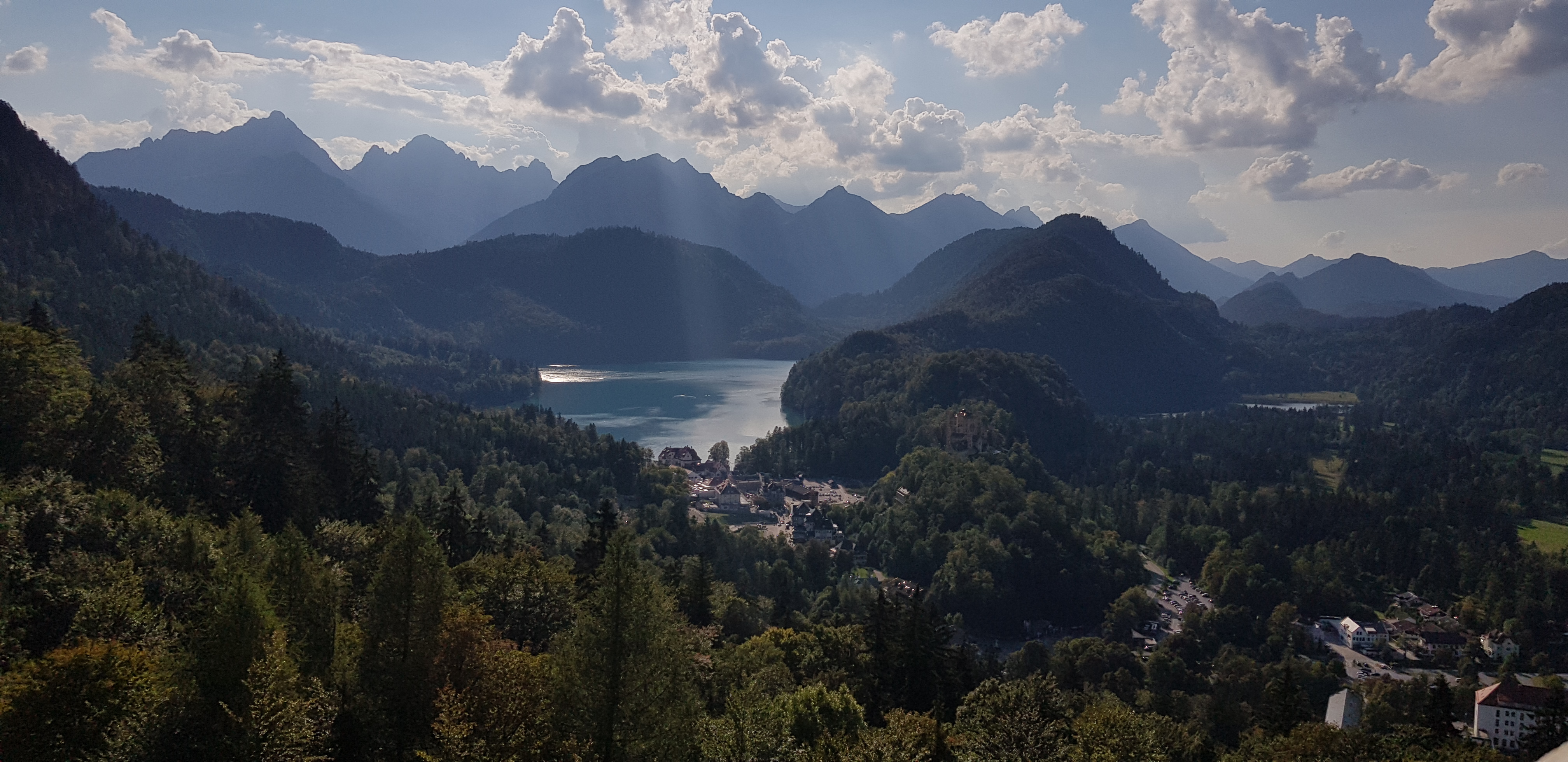
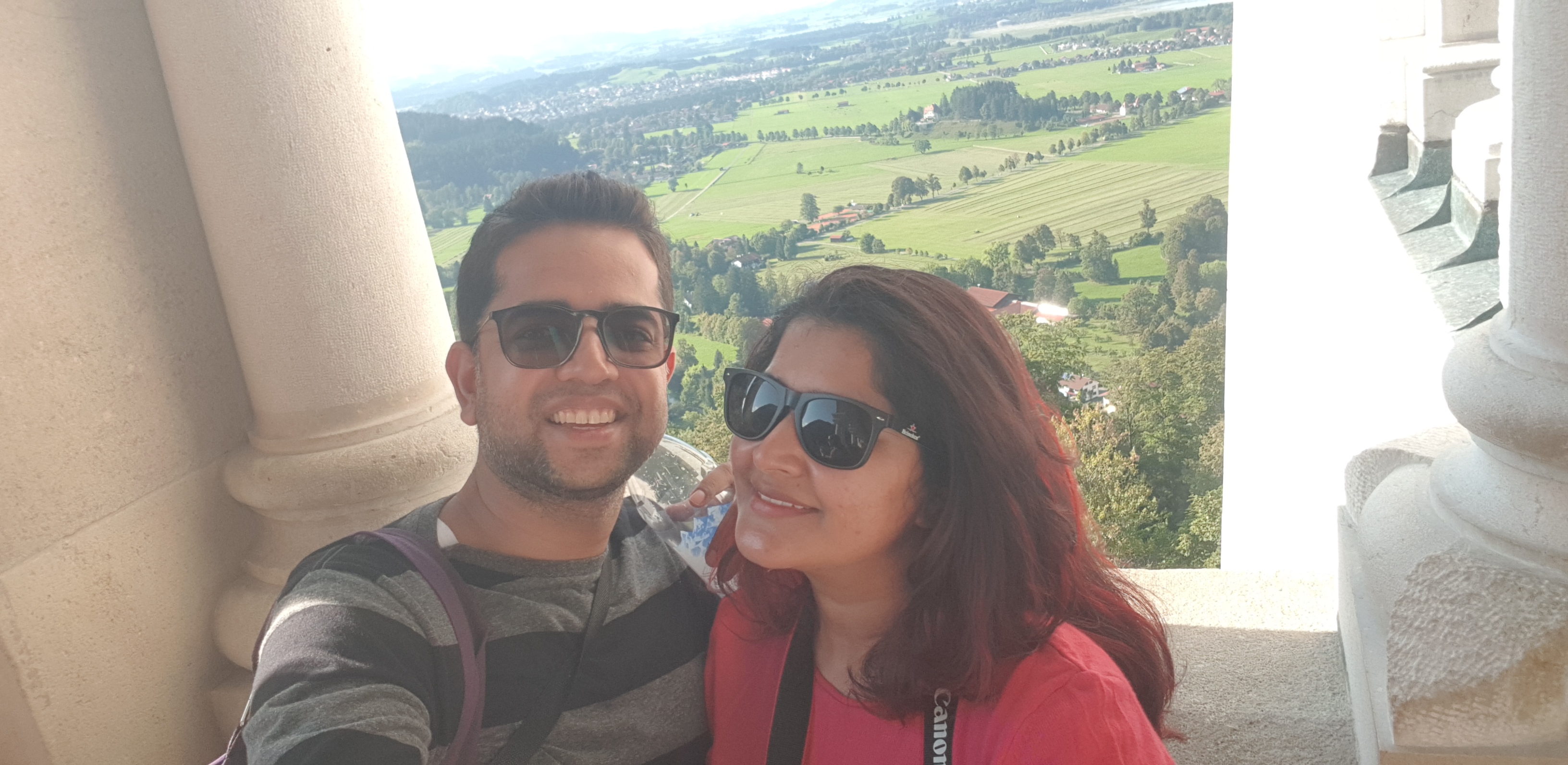
Come let’s slay a dragon and rescue a princess! If you can imagine a castle where this princess is kept, then yes, you are thinking of Neuschwanstein! Stepping into the picturesque town of Schwangau is like going back in time to our childhood when the world seemed all magical. Close to the Austrian border lies this wonderful cluster of castles built in the age of King Ludwig II and his forefathers. One look at the towering castle from a distance takes us back to stories of Cinderella and Snow White and Sleeping Beauty. But funnily enough, this castle was built in the 19th Century around 1882 barely 30 years before World War 1.
As you walk up the steep sloping road that leads up to this magnificent castle, with people double your age passing you by with ease and even toddlers running, waddling and toddling far faster than you can hike up (thanks to our fantastic fitness levels at the time), time stands still at its first glance. The sheer scale and opulence with which this Castle was built stands as a monument to the grandeur of the Bavarian kings. It is said that Ludwig II never intended for this castle to be accessible to the general public and yet barely weeks after his death, his regent threw it open to paying visitors and this landmark today is probably the most visited place in all of Germany.
In peak summer, one doesn’t realize that the town of Schwangau and the Neuschwanstein castle lie at the foothills of the Bavarian Alps. Pictures from the winter show a shimmering castle covered in snow with a setting straight out of a Disney musical. Fun fact here, many believe that the Castle shown in the opening credits of any Disney film is in fact inspired by Neuschwanstein and its surrounding castles.
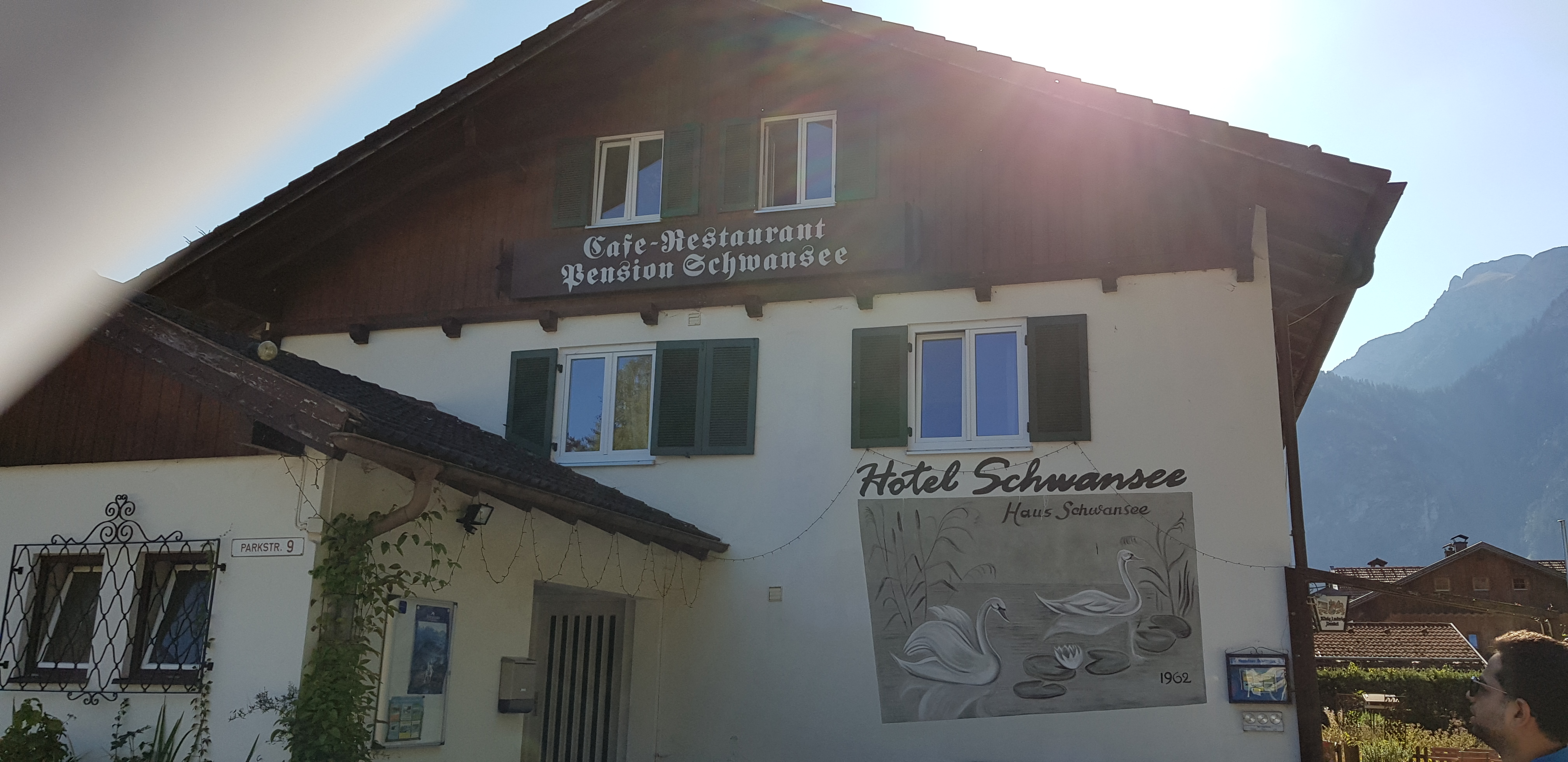
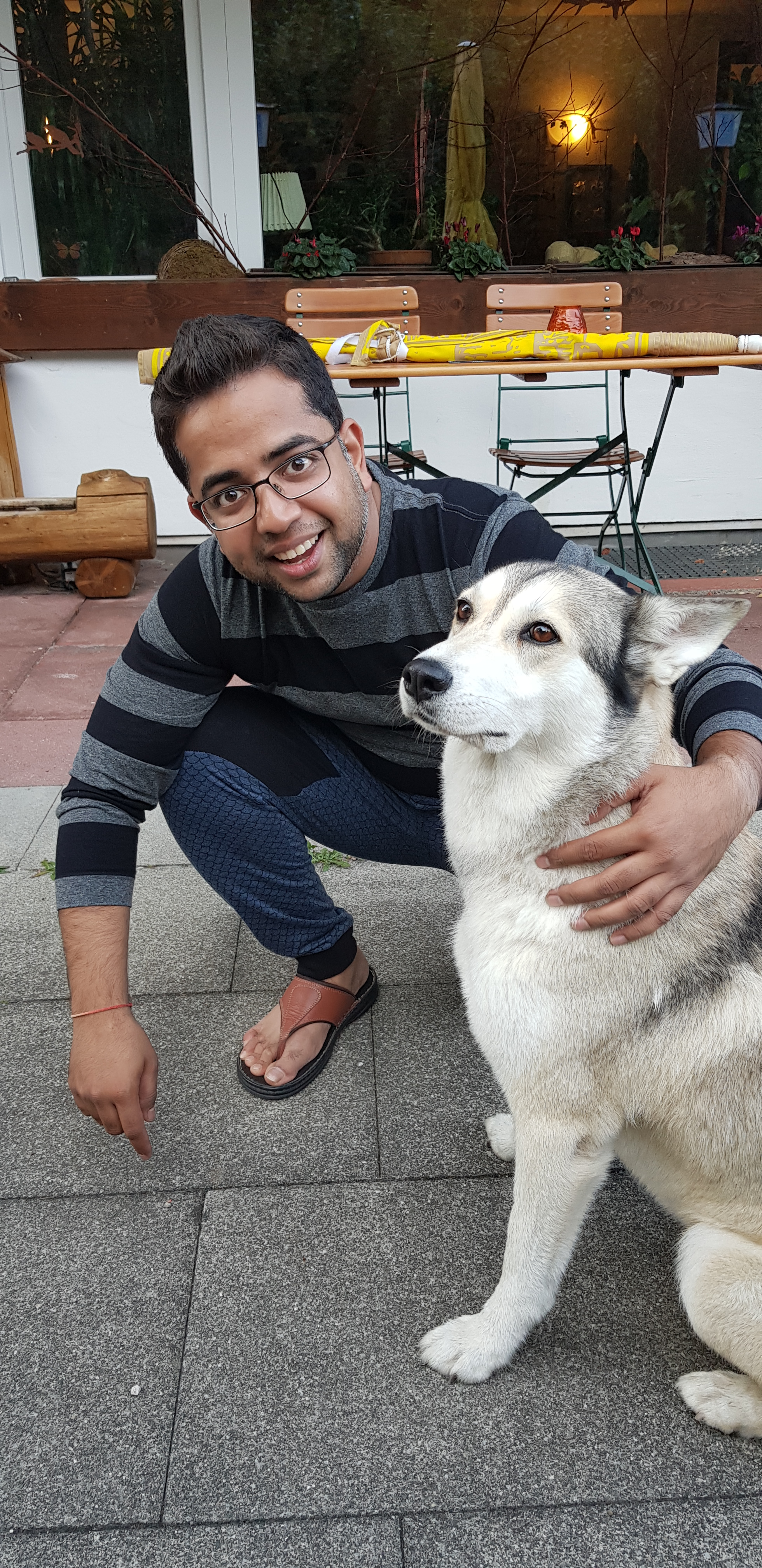
We lived in a tiny little slice of heaven called Hotel Schwansee.The owners, Susanne and Claus (yes with a ‘C’) were phenomenal and made us feel right at home.Tall with blonde hair and Blue eyes, Claus was the quintessential German. But the real star of this hotel was their Siberian Huskey, Yuki. My husband and Yuki became fast friends and he even drank a pint of King Ludwig Dark beer with her sitting right next to him all throughout. They live in the rooms right above the hotel. There’s something about these small and quaint little fairly run hotels in this region. Through their owners, you see a whole new dimension of German culture that will seldom reveal itself in the hustle and bustle of Berlin and Munich.
Humble request #4 by the husband:
You can take the Indian out of India but not India out of the Indian. In Schwangau, check out this Indian restaurant called Annapoorna in the main town centre. Our Indian palate was longing for its spices and deep fried goodness that European food could not offer. And boy did we have a hearty Indian feast! Burrp! And don’t forget to try the King Ludwig Dark beer. Making money off a dead king’s name has never been tastier!


Biergarten, BMW, Olympics Park
We drove the next morning from Shwangau to Munich as we had our flight back to Amsterdam from there. We reached Munich with a little time to spare, so we decided that we only want to do a couple of highly recommended highlights.
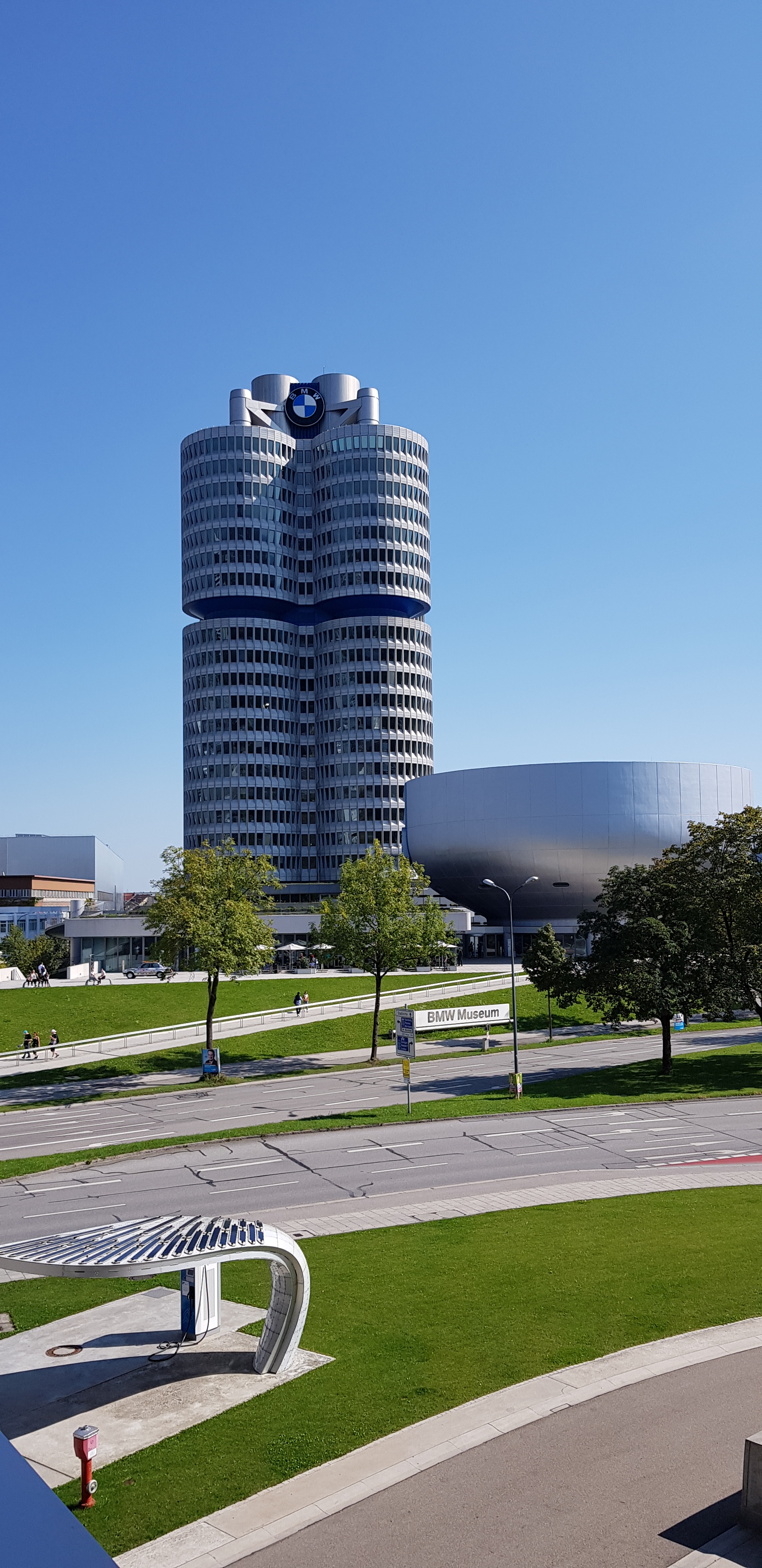
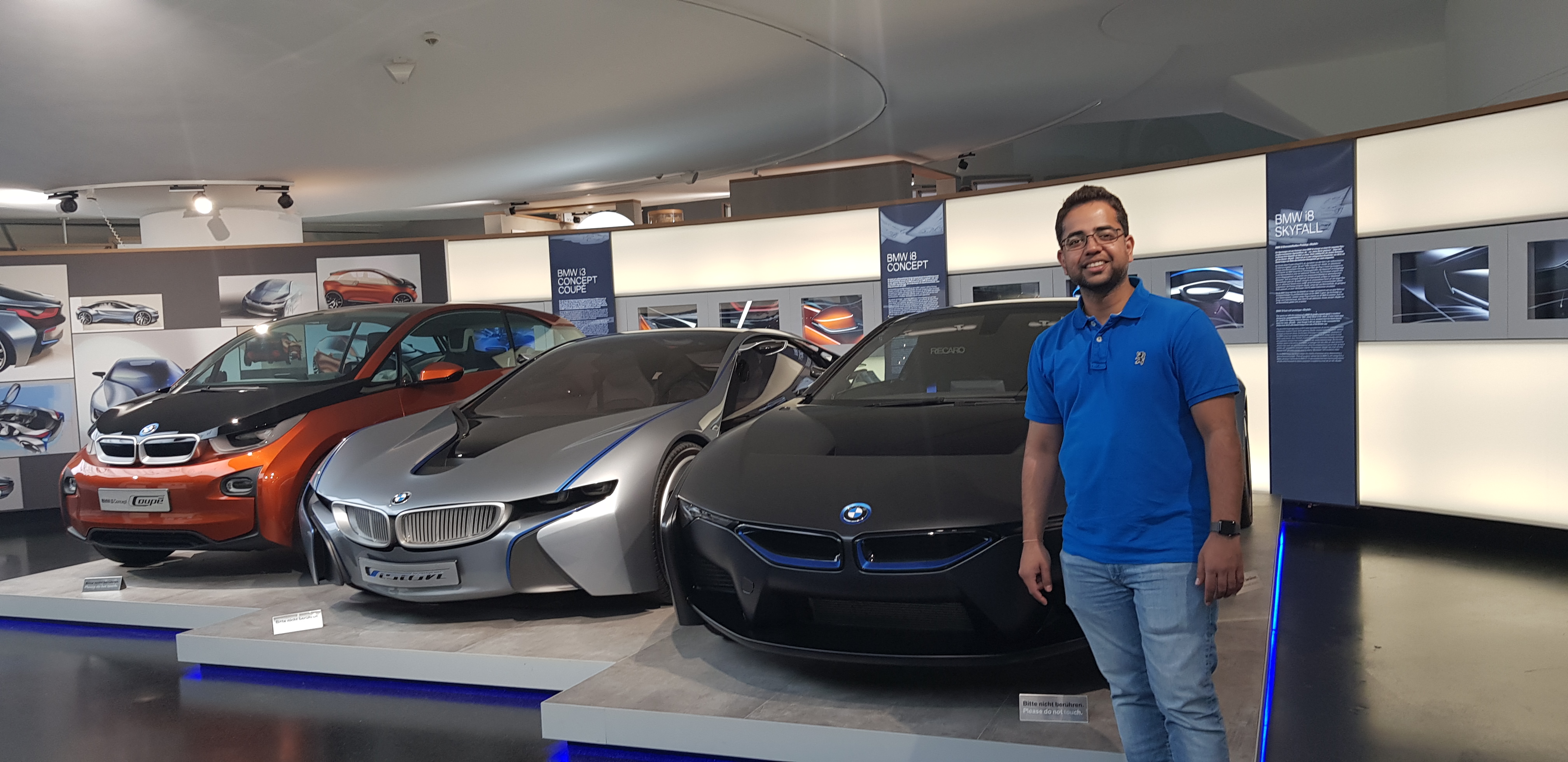
First stop, the BMW museum. This is where I fell in love with Mini Coopers. We spent close to 3 hours roaming around the Welt and the BMW museum. The Welt was an architectural beauty. The main floor section is catered mainly to tourists like us, displaying some of their top of the line cars like the M6. They even had a section for Rolls Royce which was unexpected. I picked up a miniature red Mini Cooper for myself as part of my souvenir collection.
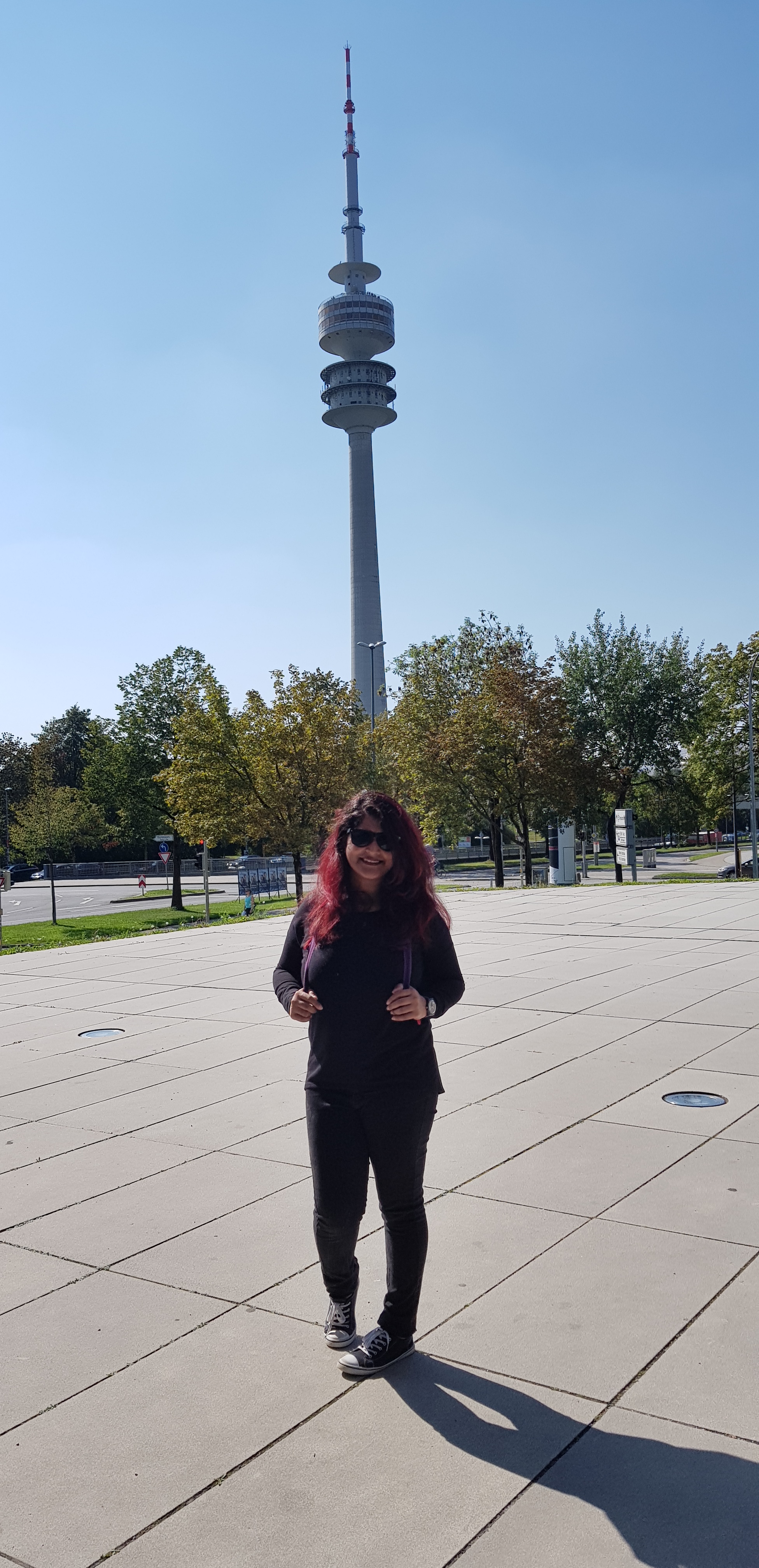
We walked around the Olympic Park, which isn’t particularly in great shape today, lots of graffiti and lots of littering, but nevertheless, it is a nice open space with a lot to see.
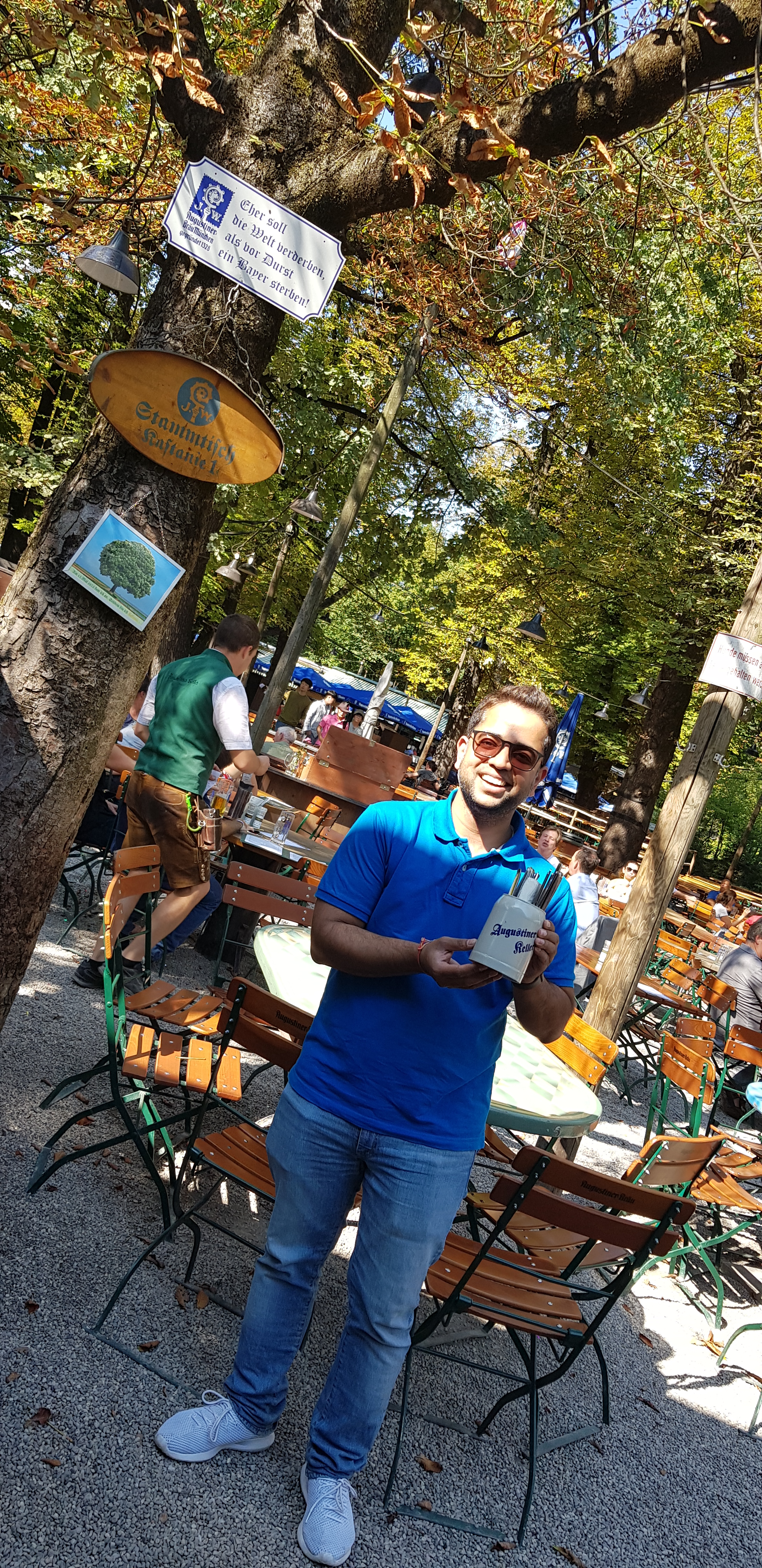
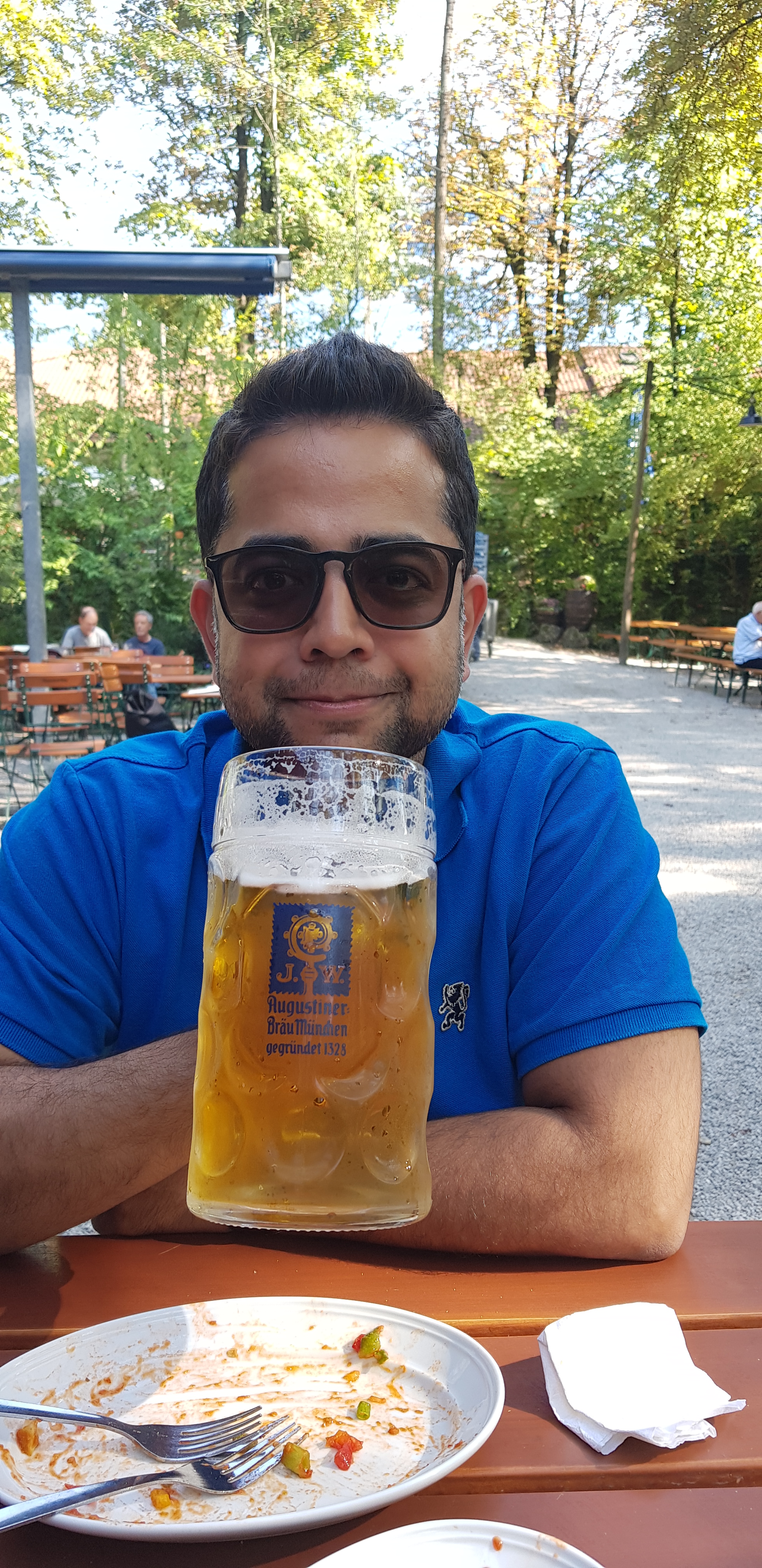
We had a couple of more hours in town before we had to hit the road to the airport. Guess what we did? We made the mandatory pit stop at one of Munich’s world-famous Biergarten – the Augustine Keller Biergarten.
Dating back to 1812, this beer garden is the oldest one in Munich and the second largest with space for 7,000 visitors. Off the beaten tourist track, this well-known beer hall takes the party outside in summer. And if it rains, the biergarten’s cellar from 1807 stays open.
Fresh Augustine beer is served straight out of wooden barrels with a bell marking the arrival of each new cask. Hot, cheap German biergarten classics are served until 23:00, but visitors are welcome to bring their own food. You can spot the regulars as about 100 Stammtische (regulars tables) date back to 1847.
What next, it was time to say, so long, farewell, auf wiedersehen, goodbye!
We continued the onward journey to Amsterdam, you can read it here.
 Rachna's blog
Leave a comment